Kava Hangover: Causes, Symptoms, and How to Avoid It
In this article

Kava does not typically cause a hangover in the same way alcohol does, but some people report experiencing next-day effects after consuming Kava. While alcohol hangovers are often linked to factors such as alcohol metabolism and dehydration, Kava-related after-effects may vary based on factors like product strength, timing, and individual response.
Some people report experiences such as:
- Morning sluggishness
- Lingering tiredness
- Head discomfort
- Temporary mental fogginess
- A slower start to the day
As Kava beverages continue to gain attention within the functional beverage and botanical beverage categories, more people are exploring ready-to-drink Kava products as alcohol alternatives. Understanding what causes a Kava hangover, what it may feel like, and how to reduce the chances of next-day effects can help explain why experiences differ from person to person.
Table Of Contents:
- What Is A Kava Hangover?
- What Causes A Kava Hangover?
- What Does a Kava Hangover Feel Like?
- Does Kava Stay In Your System?
- How To Avoid A Kava Hangover?
- Kava Hangover vs. Alcohol Hangover: What’s the Difference?
- Conclusion
- Frequently Asked Questions
If you are new to Kava, understanding what Kava is and how it is traditionally prepared can provide helpful background before exploring its potential after-effects.
What Is A Kava Hangover?
A Kava hangover refers to the next-day effects that some people report after consuming Kava. It is not the same as an alcohol hangover, but it describes feelings that may continue after the noticeable effects of Kava have passed.
Commonly reported next-day experiences may include:
- Feeling tired after waking up
- Morning grogginess
- Headache
- Feeling slower than usual
- Temporary brain fog
So, does Kava cause hangovers? The answer depends on the individual. Some people may notice lingering effects, while others may not experience any next-day changes. Factors that may influence these experiences include:
- Amount of Kava consumed
- Product formulation and concentration
- Timing of consumption
- Individual response
Does Kava get you high? Kava is not typically described in the same way as intoxicating substances like alcohol. If you are wondering whether Kava gets you drunk, it is important to understand how Kava differs from alcoholic beverages and why individual experiences may vary.
What Causes A Kava Hangover?
A Kava hangover can happen for different reasons, and not everyone experiences the same next-day effects. When people ask, "Why does Kava make me tired the next day?” the answer often depends on several factors, including serving size, product strength, timing, and individual response.
1. Consuming Higher Amounts Of Kava
The amount of Kava consumed may influence how someone feels afterward. Higher concentrations or larger servings may increase the likelihood of noticing lingering effects.
Factors that may contribute include:
- Larger servings of Kava beverages
- Higher concentration of Kava extract
- Products with different Kavalactone levels
- Individual sensitivity to stronger formulations
2. Timing Of Consumption
When Kava is consumed, it may affect how someone feels the following morning. Some people report more noticeable grogginess when consuming Kava later in the evening.
Timing-related factors may include:
- Drinking Kava close to bedtime
- Changes to a regular nighttime routine
- Limited time between consumption and waking up
- Individual differences in how beverages are processed
3. Individual Response
Everyone responds differently to botanical beverages, which is why some people may notice next-day effects while others do not.
Individual factors may include:
- Personal sensitivity to Kava
- Lifestyle habits
- Sleep patterns
- Overall beverage consumption
4. Product Type and Strength
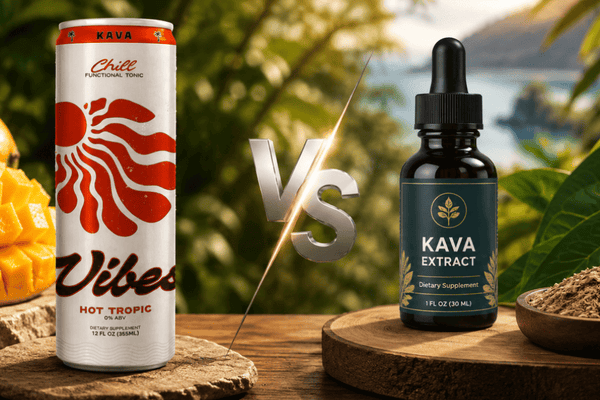
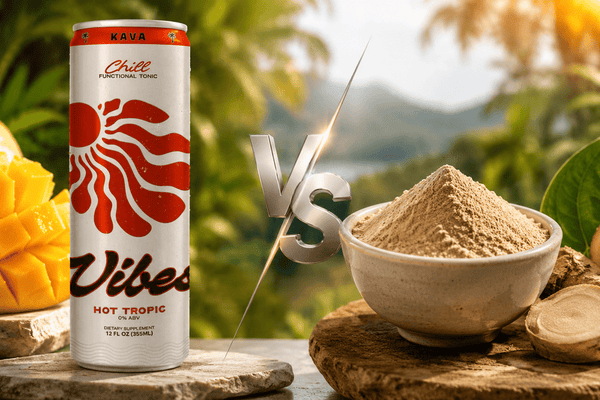
Kava products can vary depending on how they are prepared and formulated. Different formats may provide different experiences based on their composition.
Common Kava formats include:
- Traditional Kava preparations made from processed Kava root
- Ready-to-drink Kava beverages designed for convenience
- Kava extract beverages containing concentrated Kava components
These differences may help explain why some people ask, "Why do some people feel bad after Kava?” or "Can too much Kava make you groggy?” Product formulation, serving details, and individual response can all influence reported next-day experiences.

What Does a Kava Hangover Feel Like?
While Kava does not produce the same type of hangover as alcohol, some people report experiencing mild next-day effects. These experiences can vary depending on individual sensitivity, product type, and the amount consumed.
|
After-Effect |
What It May Feel Like |
|
Grogginess |
Feeling slower than usual when waking up or taking longer to feel fully awake |
|
Tiredness |
Lingering fatigue that may continue into the morning |
|
Headache |
Mild headaches reported by some individuals after consuming Kava |
|
Brain fog |
Temporary difficulty feeling mentally sharp or clear-headed |
|
Feeling slowed down |
A general sensation of reduced alertness or a slower start to the day |
These experiences are typically short-lived and do not carry the same severity as alcohol hangovers. Many people find that being mindful of serving size, timing, and product type can minimize the likelihood of experiencing these next-day effects.
By understanding what a Kava hangover may feel like, consumers can make informed choices when selecting Kava beverages, whether in traditional preparations or convenient ready-to-drink formats.
Does Kava Stay In Your System?
Kava contains naturally occurring compounds called Kavalactones, and how long they remain in the body can vary based on multiple factors. There is no single timeframe that applies to everyone, as individual differences and product characteristics can influence the experience.
Understanding Kava duration and after-effects can help explain why some people report next-day feelings while others do not.
Learn more about how long Kava stays in your system and what factors can influence the timeline.
How Long Do Kava After-Effects Last?
The duration of Kava after-effects can vary from person to person. Some people may notice lingering feelings the following morning, while others may not experience any noticeable next-day changes. Factors such as product type, serving size, timing, and individual response can influence how long these effects may last.
Several factors may affect the duration of Kava after-effects:
- Product formulation: Traditional Kava preparations, ready-to-drink Kava beverages, and Kava extract products may differ in concentration and composition.
- Amount consumed: Larger servings or more concentrated products may influence how long some people notice after-effects.
- Timing of consumption: Consuming Kava later in the evening may contribute to feeling more tired or groggy the next morning for some individuals.
- Individual response: Everyone responds differently to botanical beverages, which means experiences can vary.
How To Avoid A Kava Hangover?
While some people may experience next-day effects after consuming Kava, certain habits may help reduce the chances of feeling groggy or tired afterward. Product selection, timing, and overall beverage habits can influence how someone feels the next day.
1. Choose The Right Serving Size
The amount of Kava consumed may influence how noticeable next-day effects feel. Paying attention to product details can help create a more predictable experience.
Consider:
- Following the serving information provided on the product label
- Understanding the concentration of Kava content in the beverage
- Avoid consuming more than the recommended serving amount
2. Stay Hydrated
Hydration habits can influence how people feel after consuming different beverages.
Helpful practices include:
- Drinking enough fluids throughout the day
- Maintaining regular hydration alongside Kava beverages
- Paying attention to overall beverage intake
3. Select Clearly Labeled Kava Products
Different Kava beverages may vary in formulation, concentration, and preparation methods.
Look for:
- Clear ingredient information
- Transparent product labeling
- Details about Kava extract or Kavalactone content when available
- Reputable beverage brands with quality information
4. Consider The Timing Of Consumption
The timing of Kava consumption may influence how someone feels the following day. Some people report more noticeable grogginess when consuming Kava later in the evening, especially when there is limited time before waking up.
Helpful considerations include:
- Avoid consuming Kava too close to bedtime if you notice morning grogginess
- Consider how evening beverage choices fit into your usual routine
- Allow enough time between consuming Kava and your planned wake-up time
- Pay attention to how different timing patterns affect your individual experience
Understanding these factors can help reduce uncertainty around Kava after-effects and make it easier to identify what works best for your preferences.
Kava Hangover vs. Alcohol Hangover: What’s the Difference?
A Kava hangover and an alcohol hangover are often discussed together, but they are not the same experience. While some people may report next-day effects after consuming Kava, these effects differ from the common after-effects associated with alcohol consumption.
Alcohol hangovers are commonly linked to factors such as alcohol metabolism, fluid balance changes, and other processes related to alcohol consumption. Kava, on the other hand, contains naturally occurring compounds called Kavalactones, which contribute to the characteristics of Kava beverages.

|
Factor |
Kava Hangover |
Alcohol Hangover |
|
Category |
Botanical beverage made from Kava root extract |
Alcoholic beverage containing ethanol |
|
Main compounds |
Kavalactones found in Kava root |
Ethanol and alcohol byproducts |
|
Common next-day experiences |
Some people report grogginess, tiredness, headaches, or brain fog |
Commonly reported experience may include headache, fatigue, nausea, and dehydration-related discomfort |
|
Hydration concerns |
Related mainly to overall fluid intake and beverage habits. |
Alcohol can affect hydration balance |
|
Why experiences vary |
Product types, serving size, timing, and individual response |
Amount consumed, alcohol types, and individual factors |
Since Kava is often compared with alcohol alternatives, learning more about Kava vs alcohol can help explain the differences between these two types of beverages.
Conclusion
A Kava hangover is not the same as an alcohol hangover, but some people may report experiencing next-day effects after consuming Kava. Feelings such as grogginess, tiredness, headaches, or brain fog can vary depending on factors like product strength, timing, serving size, and individual response.
As Kava beverages, ready-to-drink Kava, and other functional beverages become more common in the alcohol alternative market, understanding these differences can help provide a clearer picture of what to expect.
Key points to remember:
- Kava does not typically create the same type of hangover associated with alcohol
- Some people may notice temporary next-day effects after consuming Kava
- Product type, concentration, and timing can influence individual experiences
- Choosing clearly labeled products and understanding serving information can help consumers make informed decisions.
Because everyone responds differently to botanical beverages, experiences with Kava after-effects may vary from person to person.
Frequently Asked Questions
1. Does Kava cause hangovers?
Kava does not typically cause a hangover in the same way alcohol does. However, some people report next-day effects such as grogginess, tiredness, headache, or brain fog.
2. What does a Kava hangover feel like?
A Kava hangover may feel like morning grogginess, tiredness, a headache, feeling slowed down, or temporary brain fog. Experiences differ from person to person.
3. Does Kava make you tired the next day?
Some people report feeling tired the next day after consuming Kava. Timing, product concentration, and individual sensitivity may influence whether these effects are noticed.
4. Can Kava cause headaches?
Some individuals report headaches after consuming Kava. Factors such as serving size, hydration habits, and personal response may contribute to these experiences.
5. Does Kava dehydrate you?
Kava is not typically associated with dehydration in the same way alcohol is. However, maintaining normal hydration habits can influence how someone feels after consuming any beverage.
6. How long do Kava after-effects last?
The duration of Kava after-effects varies depending on factors such as product type, amount consumed, timing, and individual response. Some people may notice effects the next morning, while others may not.
7. Is a Kava hangover worse than an alcohol hangover?
A Kava hangover and an alcohol hangover are different experiences. While some people report mild next-day effects from Kava, alcohol hangovers are associated with different factors related to alcohol consumption.
Disclaimer: This article is for informational purposes only and does not guarantee that every person will experience the same effects after consuming Kava. Reported Kava after-effects, including tiredness, grogginess, headaches, or brain fog, can vary based on factors such as product type, concentration, timing, serving size, and individual response. Always review product information and consult a qualified healthcare professional if you have concerns about Kava use.