Kava vs Alcohol: Is Kava a Safe Substitute for Alcohol?
In this article

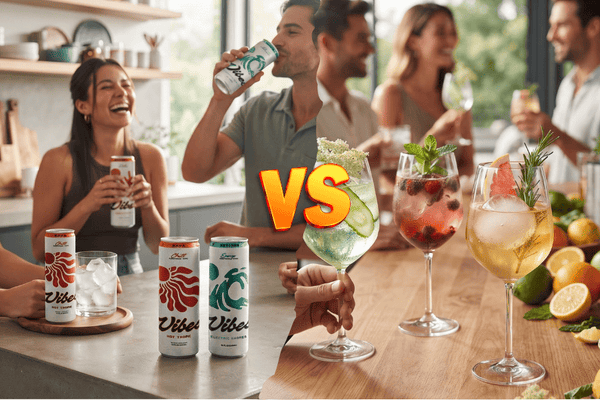
The Kava vs alcohol conversation usually starts with one real question: can you enjoy a relaxed, social drink without reaching for alcohol?
That is why Kava keeps appearing in searches for 'alternatives to alcohol', 'drinks instead of alcohol', and the 'best substitute for alcohol'. People want the ritual, the unwind, and the social ease, but without the usual alcohol baggage.
Kava may work as an alcohol replacement for some adults, but it is not risk-free. Think of it as a thoughtful alcohol-free option, not a harmless swap for everyone.
Is Kava Safer Than Alcohol?
For anyone comparing Kava vs alcohol, this is usually the biggest concern. Kava may be a better direction for someone trying to move away from frequent drinking. But if the comparison is Kava vs water, tea, or plain sparkling water, Kava is not the lowest-risk choice.
That practical view matches what Jarratt Pytell, MD, MHS, an internal medicine and addiction medicine physician, explains. His point is nuanced: if someone drinks alcohol every day and wants to stop by trying Kava, that can be a reasonable conversation because alcohol carries serious risks. Still, Kava is “not a zero-risk substance.”
Real user experiences say the same thing in everyday language. In one Reddit discussion, a user called Kava a “fairly good alcohol replacement”, but immediately added, “with some caveats”. Another said Kava helped them get home “without stopping at the liquor store”, while still admitting it was “not the same as getting drunk”.
So, is Kava safer than alcohol? For some adults, it may be a useful herbal alcohol substitute. But is Kava a safe alcohol substitute for everyone? No. Anyone with liver concerns, pregnancy, breastfeeding, medication use, or alcohol dependence should be careful and seek qualified guidance.
What Is Kava, And Why Do People Use It Instead Of Alcohol?
Kava comes from the root of Piper methysticum, a plant traditionally used across Pacific Island communities. Today, it appears in Kava bars, teas, powders, extracts, and ready-to-drink beverages.
People consider Kava instead of alcohol because both fit into social and unwinding moments. The difference is the experience. Alcohol intoxicates. Kava is usually chosen for a calmer, more grounded feeling.
Alcohol still has a huge hold on U.S. drinking culture. The U.S. alcoholic beverages market was valued at USD 543.13 billion in 2024 and is projected to reach USD 806.44 billion by 2033. Kava is much smaller, but it is gaining attention as well. The global Kava root extract market was valued at USD 1.87 billion in 2025 and is projected to reach USD 7.40 billion by 2034, while the U.S. market is projected to reach USD 30.28 million by 2032.
Still, the rise of Kava is not only about market size. People are comparing it to alcohol for more practical reasons, like the ones shared in the table below.
|
Kava’s appeal |
What does it offer instead of alcohol? |
|
Drink-in-hand ritual |
A social sip without alcohol. |
|
Mellow experience |
A calmer feeling instead of intoxication. |
|
Reverse tolerance |
Some users feel little at first, then notice more with repeated sessions. |
|
Social setting fit |
A more intentional choice than soda or basic mocktails. |
|
Functional beverage interest |
A reason people are looking beyond traditional alcohol. |
Kava vs Alcohol: A Quick Comparison
Before choosing Kava as an alcohol-free option, it helps to understand the everyday difference between the two.
The table below keeps the comparison simple, so you can quickly see what changes when someone chooses Kava instead of alcohol.
|
Everyday Difference |
Kava |
Alcohol |
|
How it feels |
May feel calm and relaxed |
Can make you feel drunk |
|
Social use |
Many people use it as an alcohol-free social drink |
Common at parties, bars, and dinners |
|
Buzz |
Some people feel a mild buzz |
Usually gives a stronger buzz or intoxicated feeling |
|
Hangover |
No alcohol hangover, but some people may feel groggy |
Can cause hangovers |
|
Judgment |
You should still be careful |
Can affect judgment, coordination, and reaction time |
|
Mixing both |
Kava should not be mixed with alcohol |
Mixing alcohol with Kava can increase risk |

What Does Kava Feel Like Compared To Alcohol?
Most people describe it as mellow, calm, and socially easing rather than drunk or out of control.
The Alcohol and Drug Foundation’s Kava guide notes that Kava can affect people differently and may lead to relaxed feelings, mild sleepiness, and mouth or throat numbness.
User experiences also point in the same direction. One Reddit commenter said Kava gave them a “nice buzz” while they were still “in control”. That makes the expectation clearer: Kava may feel noticeable for some people, but it should not be confused with being drunk.
What Does Kava Taste Like?
If you are wondering what Kava tastes like, traditional Kava is usually earthy, bitter, peppery, and herbal. Some people like that bold profile. Others find it hard to enjoy.
That is where modern Kava beverages can feel more approachable. They often use fruit, botanicals, or light sweetness to make Kava easier to sip.
At Drink Vibes, this is the idea behind Vibes Chill - Hot Tropic Kava. It brings together Kava root extract, L-Theanine, green tea extract, and allulose in a Mango Habanero flavor profile. Instead of trying to copy alcohol, it feels enjoyable enough to choose again.
Can You Mix Kava And Alcohol?
While you can, it is advised that you not. Do not mix Kava and alcohol.
Dr. Pytell notes that Kava can increase alcohol’s effects, which may lead to more impairment when both are used together. A human study on Kava and alcohol’s combined effects supports that caution.
Kava alone showed little effect on reported condition and cognitive performance, but when paired with alcohol, it appeared to increase both perceived and measured impairment.
The Alcohol and Drug Foundation also says Kava and alcohol together can make someone feel more drunk and may raise liver-related risk.
Even Reddit users often draw that line clearly. One commenter warned that using both close together is something “you definitely shouldn’t do”.
Put simply, if the goal is choosing Kava instead of alcohol, keep it as “instead of,” not “along with.”
Who Should Avoid Kava?
Kava may work as an alcohol-free option for some adults, but it is not the right fit for everyone. Since it may affect alertness and may not pair well with certain conditions, medications, or drinking concerns, some people should be extra careful before trying it.
- People with liver concerns
- Pregnant or breastfeeding women
- People taking medications
- Anyone planning to drive
- People dealing with heavy drinking
- Anyone mixing substances
Can Kava Help You Stop Drinking Alcohol?
Kava may help some adults move away from alcohol when the habit is connected to social sipping, evening unwinding, or wanting something enjoyable in hand. It can work as a mindful swap in certain moments, but it should not be treated as a cure for alcohol dependence, withdrawal, or heavy drinking concerns.
It replaces the drink-in-hand habit
Kava gives people something to sip during relaxed evenings, dinners, or social plans without choosing beer, wine, or cocktails.
It may help avoid alcohol hangovers
Since Kava does not contain alcohol, it does not cause the usual alcohol hangover. However, some people may still feel groggy or sleepy after Kava.
It keeps social moments alcohol-free
Kava can fit into hangouts where someone wants a calmer drink option without feeling left out of the ritual.
It may reduce regrettable drinking moments
Alcohol can affect judgment and behavior, while Kava is usually chosen for a more grounded experience. Still, it may affect alertness, so it should be approached carefully.
It can support evening unwinding
Some adults use Kava when they want to relax without reaching for an alcoholic drink.
It works better as a swap, not a treatment
Kava may help with the habit of drinking occasionally, but it is not a solution for alcohol dependence, cravings, or withdrawal symptoms.
Anyone who drinks daily, feels unable to stop, or experiences withdrawal symptoms should speak with a qualified healthcare or addiction professional instead of relying on Kava alone.

Does Kava Cause Hangovers?
Not in the classic alcohol sense, because Kava does not contain alcohol. That is one reason people explore natural alcohol alternatives in the first place.
But Kava does not feel perfect for everyone. One Reddit user said repeated use affected their sleep and left them feeling “hungover-like”. Another said Kava helped them avoid alcohol but could cause insomnia if taken too close to bedtime.
All in all, Kava may avoid the usual alcohol hangover, but poor sleep, grogginess, or discomfort can still happen for some users.
Final Words
After comparing Kava vs alcohol, the answer is simple: Kava can be a helpful alcohol-free option for some adults, but it is not risk-free.
It may feel calming, may take a few tries to notice, and should never be mixed with alcohol. If you choose Kava instead of alcohol, treat it as its own drink with its own cautions, not as a cure for drinking-related concerns.
FAQs
Is Kava a good alternative to alcohol?
Kava can be a good alcohol-free option for some adults who want a calmer social drink. It may help replace the ritual of drinking, but it should not be treated as a cure for alcohol dependence, withdrawal, or heavy drinking concerns.
Does Kava give you a buzz like alcohol?
Kava may give some people a mild, mellow buzz, but it does not feel the same as being drunk. Many users describe it as calmer and more grounded than alcohol. The effect can also vary depending on the person, the product, the amount, and the setting.
Can you drink Kava every day?
Some people consume Kava daily, especially in traditional South Pacific settings, but daily long-term use is generally not recommended for everyone. NCCIH notes that prolonged or large-amount Kava use may increase liver-related risk, so regular use should be approached carefully, especially if you have liver concerns, take medications, are pregnant, or are breastfeeding.
Will I fail a drug test from drinking Kava?
In most cases, no. Regular drug tests usually do not look for Kava. Rarely, an initial test may give a false alarm for amphetamines, but a more accurate follow-up test can usually clear it up. In one PubMed-indexed case report, the first test was positive, but the detailed lab test did not confirm amphetamine use.
How long should you wait between alcohol and Kava?
A cautious rule is to wait at least 24 hours between alcohol and Kava. Both can place demands on the liver, and combining them may increase the risk of excessive impairment or liver-related stress. Do not use Kava and alcohol on the same day, especially if you have liver concerns or take medications.
Can you drive after drinking Kava?
No, it is better not to drive after drinking Kava. Even though Kava is alcohol-free, it may still make some people feel sleepy, lightheaded, slower, or less alert. Since everyone reacts differently, choose Kava when you do not need to drive or handle anything that requires full attention.
Does Kava have alcohol?
No, Kava doesn’t have alcohol.
References
- National Center for Complementary and Integrative Health. Kava: Usefulness and Safety
- Alcohol and Drug Foundation. Kava
- UNSW National Drug and Alcohol Research Centre. Kava Fact Sheet 2025
- CU Anschutz Department of Medicine. Is Kava a Good Alcohol Substitute for Dry January?
- Foo, H., & Lemon, J. Acute Effects of Kava, Alone or in Combination with Alcohol, on Subjective Measures of Impairment and Intoxication and on Cognitive Performance
- Madhavaram, H., et al. Kavain Interference with Amphetamine Immunoassay
- Research and Markets. United States Alcoholic Beverages Market
- Fortune Business Insights. Kava Root Extract Market Size, Share & Industry Analysis