Can You Drink Kava Everyday? Safety, Frequency, and Precautions
In this article

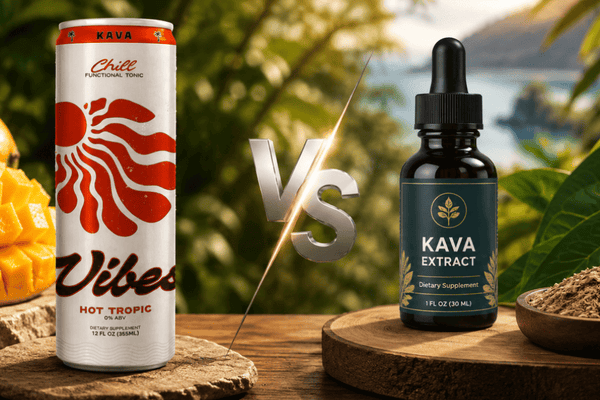
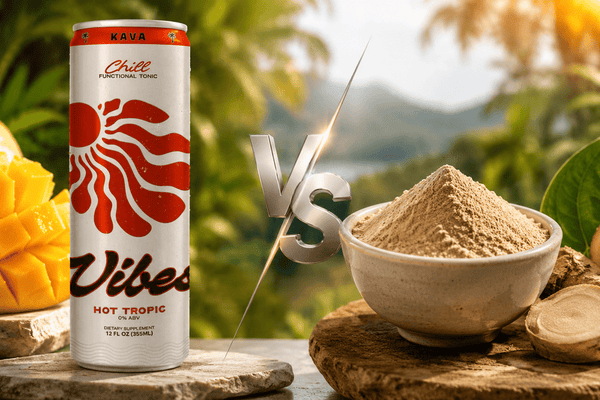
Kava is no longer limited to traditionally prepared drinks. Today, it is available in several formats, including powdered Kava, Kava root extracts, sparkling Kava drinks, and ready-to-drink cans. As these beverages become more visible within alcohol-free and botanical drink culture, many people are beginning to ask whether Kava can be included in everyday routine.
There is no single daily schedule that applies to every Kava product or every person. How often Kava may be consumed may depend on factors such as:
- The type of Kava product
- Kava root extraction concentration
- Total Kavalactone content
- Suggested serving directions
- Overall consumption frequency
- Medications or other substances
- Individual health considerations
This blog explores whether you can drink Kava every day, along with important safety measures, frequency considerations, and precautions for both traditional and ready-to-drink Kava beverages.
Can You Drink Kava Everyday?
Drinking Kava every day may not be appropriate for everyone. Kava products may vary in concentration, serving size, ingredients, and Kavalactone content, so daily consumption should not be treated as a universal routine.
This is especially important with canned and sparkling Kava drinks. Their familiar packaging may make them look similar to soda or sparkling water, but they still contain active botanical compounds. Ready-to-drink Kava products should therefore be reviewed on their formulation and serving directions rather than their beverage format alone.
Regular consumption may increase overall exposure to Kava and its naturally occurring compounds, including Kavalactones. Depending on the product and the individual, more frequent intake may increase the likelihood of noticing unwanted reactions such as
- Drowsiness or reduced alertness
- Digestive discomfort
- Headaches
- Dizziness
- Changes in coordination
- Skin changes linked with heavy, prolonged consumption
- Concerns related to liver health and long-term intake
These reactions are not guaranteed, and experiences may differ based on the quantity consumed, preparation method, product strength, additional ingredients, and individual sensitivity.
It is also helpful to distinguish between different consumption patterns. Occasional Kava consumption is not the same as drinking it regularly throughout the week. Likewise, regular but non-daily consumption differs from short periods of daily intake or uninterrupted long-term consumption. Since long-term research remains limited, it is difficult to define one routine that applies to every consumer.
Ready-to-drink Kava products can also differ considerably from one brand to another. Before making them part of a regular routine, you should check
- Kavalactones per serving
- Kava root extract amount
- Number of servings per container
- Additional botanical ingredients
- Caffeine or other active ingredients
- Label warnings
- Recommended serving frequency
One can may not always equal one serving, so checking the complete label is important before deciding how often a ready-to-drink Kava product may fit into a routine.
Kava is a traditional botanical beverage made from the root of the Piper methysticum plant. If you are new to Kava, learning what Kava is can help you better understand its history, preparation methods, and different product formats.
Safety Tips To Keep In Mind When Drinking Kava
Responsible decisions begin with understanding the specific Kava product rather than following a general routine found online. Kava beverages, shots, capsules, extracts, and traditional preparations can differ in strength, formulation, and serving directions.
1. Read the full product label
The complete product label provides more detail than the claims displayed on the front of the package. Before including a Kava product in a routine, you should review:
- Serving size
- Servings per container
- Full ingredient list
- Kava extract amount
- Kavalactone information
- Product warnings
- Storage instructions
- Suggested serving
2. Understand Kava extract and Kavalactone information
Kava labels may display different measurements, which can make products difficult to compare. Two important terms you may notice include:
- Kava root extract: A concentrated ingredient derived specifically from the root of the plant. This distinction matters — the liver injury cases that led to kava being temporarily banned in parts of Europe in the early 2000s were later traced largely to products made with stems and leaves (aerial parts) rather than root, along with other contributing substances. Products made from root only are generally considered the traditional, better-studied option.
- Kavalactones: Naturally occurring compounds found in Kava
Noble and Tudei Kava
Kava plants are generally grouped into "noble" and "tudei" (two-day) varieties. Noble varieties are the traditional cultivars used safely for centuries and are generally lower in flavokavains — compounds more closely associated with liver concerns. Tudei varieties are cheaper to grow but tend to carry higher flavokavain levels. Reputable products typically disclose which variety was used; if a label doesn't specify, that's worth treating as a gap in transparency, not a neutral detail.
Milligrams of Kava extract and milligrams of Kavalactones are not the same measurement. You should review the complete product information rather than assuming that the largest number printed on the package represents the strongest product.
3. Choose Products With Transparent Information
Transparent labeling can help you understand what a Kava product contains and how it is intended to be consumed. Important details to look for include:
- Ingredient sources
- Plant parts used
- Kavalactone content, when available
- Serving information
- Batch or third-party testing
- Manufacturer contact details
- Lot or batch numbers
- Best-by dates
Products with unclear ingredient details, missing serving directions, or limited manufacturer information may be more difficult to evaluate.
4. Avoid Combining Multiple Kava Products
Different Kava formats may contain varying amounts of Kava extract and Kavalactones. Combining products on the same day may increase overall exposure, especially when ready-to-drink beverages are paired with concentrated formats such as
- Kava shots
- Kava capsules
- Kava powder
- Kava root extracts
- Multiple ready-to-drink Kava beverages
You should consider your total intake across all Kava products rather than viewing each format as a separate routine.
5. Pay Attention to Unwanted Reactions
Individual responses to Kava can vary based on the product, serving amount, formulation, and personal sensitivity. You should stop consuming Kava and seek appropriate guidance if you notice persistent or concerning signs such as:
- Unusual or ongoing fatigue
- Persistent nausea
- Dark urine
- Yellowing of the skin or eyes
- Continuing abdominal discomfort
- Significant dizziness
- Reduced coordination
Severe, unusual, or continuing reactions should not be treated as a normal part of regular Kava consumption.
6. Avoid Driving or Operating Machinery
Kava's active compounds, Kavalactones, interact with GABA receptors in the brain — the same general system alcohol and some sedatives affect — which is why it can influence alertness, reaction time, and coordination.
- Product concentration
- Serving amount
- Individual sensitivity
- Additional botanical ingredients
- Other substances consumed at the same time
You should avoid driving, operating machinery, or completing tasks that require full attention when you feel drowsy, dizzy, or less coordinated after consuming Kava.
Recent clinical research also supports a cautious, moderate approach: a 2026 randomized, placebo-controlled trial examining multiple daily doses of a kava-containing beverage over six consecutive days found no significant changes in liver or kidney function among healthy adults, with only mild, short-term side effects like nausea and headache reported at higher doses. This kind of study reinforces why moderation and product transparency, rather than blanket avoidance, are the more evidence-based approach for most healthy adults.
How Often Can You Drink Kava?
There is no single answer to how often you should drink Kava because preparation methods, extract strengths, serving sizes, and individual circumstances can vary. A traditional Kava drink may not contain the same concentration as a Kava shot, capsule, or ready-to-drink beverage.
Instead of following one universal number of days per week or a standard daily amount, you should review the specific product and consider their overall consumption pattern
1. Factors That Influence Kava Frequency
How often someone drinks Kava may depend on more than the number of servings consumed. Product formulation, personal circumstances, and other substances can all influence how a Kava routine should be evaluated.
Important factors to consider include:
- Product strength
- Kavalactone content
- Serving size
- Traditional preparation versus concentrated extract
- Ready-to-drink product directions
- Consumption of other Kava products
- Personal sensitivity
- Medications and existing health conditions
- Alcohol or sedative consumption
These factors can differ considerably between consumers and products, which is why one frequency guideline may not apply to everyone.
2. Occasional Kava vs Daily Kava
Kava frequency can range from occasional consumption to several servings in one day. Each pattern creates different considerations related to total exposure, label directions, and the likelihood of noticing unwanted reactions.
|
Consumption pattern |
What to consider |
|
Occasional |
Product strength and individual reactions may still matter |
|
Several times per week |
Consider cumulative frequency and label directions |
|
Daily for a limited period |
Monitor the overall pattern and any unwanted reactions |
|
Continuous daily consumption |
Raises additional questions about long-term intake |
|
Multiple servings per day |
May increase total Kava and Kavalactone exposure |
The number of days Kava is consumed is only one part of the picture. Serving size, concentration, and total intake should also be considered.
3. Should you take breaks from Kava?
Periods without Kava may help you avoid turning occasional consumption into an uninterrupted daily routine. They can also create an opportunity to review frequency, product choice, and any unwanted reactions.
Reasons someone may reconsider continuous consumption include
- Increasing serving frequency over time
- Consuming Kava automatically rather than occasionally
- Using several Kava formats during the same period
- Noticing persistent unwanted reactions
- Changing to a stronger or more concentrated product
- Taking new medications or other active substances
There is no universal schedule for how many days someone should consume Kava or how long a break should last. Fixed “days on and days off” recommendations should not be presented as suitable for every person or product.
4. Why Another Person’s Kava Routine May Not Apply to You
Kava routines shared online may appear simple, but they often leave out important details. Another person may be consuming a different formulation, concentration, or serving size.
Online routines may vary based on:
- Product formulation
- Serving size
- Extract type
- Kavalactone concentration
- Health circumstances
- Consumption pattern
- Additional ingredients
- Other products consumed at the same time
You should rely on product-specific serving information and your own circumstances rather than copying another person’s Kava schedule.
Precautions For Drinking Kava
Certain situations require great caution, regardless of whether Kava is consumed occasionally or as a part of a regular routine. Health conditions, medications, alcohol, surgery, and individual sensitivity can all influence how someone responds to Kava.
1. Do not mix Kava with alcohol
Kava and alcohol should not be combined. Both may affect alertness and coordination, and taking them together may increase the likelihood of unwanted reactions.
Potential concerns may include
- Increased drowsiness
- Reduced coordination
- Impaired alertness
- Dizziness
- Stronger or less predictable reactions
Although Kava is often discussed as an alcohol alternative, it does not contain alcohol. Understanding whether Kava gets you drunk can help clarify how Kava differs from traditional alcoholic beverages.
2. Check for medication interactions
Kava may interact with certain prescription medicines, over-the-counter products, sleep aids, or other substances that affect alertness. The likelihood of an interaction may depend on the specific medication, Kava product, and amount consumed.
Products or substances that may require additional caution include:
- Prescription sedatives
- Sleep aids
- Anti-anxiety medicines
- Over-the-counter products that cause drowsiness
- Other botanical products with sedating properties
- Medicines processed by the liver
If you are taking medication, you should speak with a qualified healthcare professional before adding Kava to a regular routine. Product labels may not list every possible medication interaction.
3. Consider Existing Liver Conditions
Kava-containing products have been associated with rare reports of liver injury. According to the National Library of Medicine, the estimated frequency of clinically apparent liver injury linked to kava is low, and many historical cases have since been connected to non-root plant material or co-consumption of other substances rather than root-only kava itself. Risk still varies by product, formulation, plant material, concentration, and individual circumstances.
Greater caution is appropriate for people with
- Existing liver conditions
- A history of liver-related concerns
- Abnormal liver test results
- Unexplained abdominal discomfort
- Dark urine
- Yellowing of the skin or eyes
- Ongoing nausea or unusual fatigue
Anyone with existing liver concerns or unexplained symptoms should seek professional guidance before consuming Kava. Persistent or concerning symptoms should not be ignored.
4. Pregnancy and Breastfeeding Precautions
Kava is generally not advised during pregnancy or breastfeeding because sufficient safety evidence is unavailable. Its active compounds may create additional concerns for both the parent and the developing baby.
Reasons for greater caution include
- Limited research during pregnancy
- Limited information about breastfeeding safety
- Possible exposure to active Kava compounds
- Uncertainty about product concentration
- Potential interactions with other medicines or supplements
Pregnant or breastfeeding individuals should avoid establishing a Kava routine unless they have received guidance from a qualified healthcare professional.
A Practical Checklist For Regular Kava Consumption
Before making Kava a part of a regular routine, it helps to review the product, serving information, and any personal factors that may affect how it fits into the day. This checklist can help you look beyond the front label and consider the full picture.
1. Does the label clearly state the serving size?
Check how much the manufacturer identifies as one serving rather than estimating based on the container size.
2. Is the container one serving or multiple servings?
A single can or bottle may contain more than one labeled serving, so review the servings-per-container information carefully.
3. Does the product disclose its Kavalactone content?
Look for clear information about Kavalactones per serving, when available, rather than relying only on the total Kava extract amount.
4. What type of Kava product is it?
Determine whether it is a traditional preparation, ready-to-drink beverage, shot, powder, capsule, or concentrated extract.
5. Are there other active botanical ingredients?
Review the full ingredient list for additional botanicals, caffeine, or other active compounds that may influence the overall formulation.
6. Have you consumed another Kava product that day?
Consider the combined intake from beverages, shots, capsules, powders, and extracts rather than evaluating each product separately.
7. Are you taking medications or sleep-related products?
Prescription medicines, over-the-counter products, and sleep aids may create interaction concerns.
8. Have you consumed alcohol?
Kava and alcohol should not be combined because both may affect alertness and coordination.
Reviewing these questions can make it easier to evaluate a Kava routine based on the specific product and circumstances rather than relying on a general schedule.
Conclusion
So, can you drink Kava everyday? The answer depends on the specific product, its strength, the amount consumed, and individual factors such as medications, health conditions, and personal sensitivity. Traditional preparations, ready-to-drink Kava, shots, and concentrated extracts can all differ in Kavalactone content and serving directions.
Before making Kava part of a regular routine, consider
- The product format and concentration
- Kavalactone content per serving
- The number of servings consumed
- Other Kava products taken that day
- Medication or supplement interactions
- Alcohol consumption
- The need to drive or remain fully alert
- Any persistent or unwanted reactions
Kava should not be treated like an ordinary beverage simply because it comes in a can or a bottle. Regular consumption is better approached through careful label review, moderation, product transparency, and professional guidance when personal risk factors are involved.
FAQs
1. Can you drink Kava everyday?
Drinking Kava every day may not be appropriate for everyone. Product strength, Kavalactone content, serving size, medications, health conditions, and overall frequency should all be considered before establishing a daily routine.
2. How often can you drink Kava?
There is no universal frequency that applies to every Kava product. Traditional preparations, ready-to-drink beverages, shots, and concentrated extracts may have different serving directions and Kavalactone levels.
3. Is It Safe to Drink Kava Daily?
The safety of daily Kava consumption depends on the product and the individual. Long-term safety research remains limited, and Kava products have been linked to rare but potentially serious liver concerns.
4. How Much Kava Is Too Much?
There is no single amount that applies to every product. Exceeding label directions, combining multiple Kava formats, taking servings close together, or continuing despite unwanted reactions may indicate excessive consumption.
5. Does Kava Cause Hangovers?
“Kava hangover” is an informal term. Some people may describe next-day tiredness, headache, digestive discomfort, dizziness, or reduced alertness, depending on the product, quantity, hydration, sleep, and other substances consumed.
6. Should You Drive After Drinking Kava?
Avoid driving, operating machinery, or performing tasks that require full attention if Kava causes drowsiness, dizziness, slower reactions, or reduced coordination.
7. Are All Kava Beverages Equally Concentrated?
No. Kava beverages can vary in extract strength, Kavalactone content, serving size, preparation method, and additional ingredients. Consumers should compare complete product labels rather than relying only on container size or format.
Disclaimer: This article is for informational purposes only and does not replace professional medical advice. Kava products vary in formulation, strength, and Kavalactone content, and individual experiences may differ. Consult a healthcare professional if you have concerns about regular Kava use, medications, or existing health conditions.