Vibes Blogs: Functional Beverage Trends and Guides

what does kava taste like

What Does Kava Taste Like?

Kava tastes earthy, peppery, slightly bitter, and root-like, with a mild numbing sensation on the tongue and lips. Many people compare the flavor to strong matcha, unsweetened black coffee, muddy herbal tea, or other plant-based beverages. Traditional kava tends to have a stronger earthy character, while modern ready-to-drink kava beverages often include fruit or botanical flavors that create a smoother drinking experience.

If you're trying kava for the first time, the flavor may seem unusual. Unlike soft drinks, juices, or sweet functional beverages, kava's taste comes directly from the root of the Piper methysticum plant. Over time, many regular kava drinkers become familiar with its distinctive flavor and appreciate it as part of the overall experience.

Quick Answer: What Is Kava Flavor Like?

Most people describe kava flavor as earthy, herbal, peppery, and mildly bitter. Traditional kava often has a muddy or root-like taste, while flavored and ready-to-drink kava beverages are generally smoother and easier for beginners to enjoy. A slight tongue-numbing sensation is also common and comes from naturally occurring compounds called kavalactones.

If you’re wondering what Kava tastes like, most people describe it as earthy, peppery, slightly bitter, with a mild numbing sensation on the tongue. Often compared to strong matcha, muddy herbal tea, or unsweetened black coffee, its taste comes directly from the ground root of the Piper methysticum plant — not from added sugar or flavoring. It's bold, natural, and an acquired taste that many people grow to enjoy.

If you're curious about Kava, taste is usually the first thing you'll wonder about. Unlike most functional beverages, Kava has a very distinct flavor profile that surprises many people on their first sip. Learn more about what Kava is and how it’s traditionally used.

In this guide, we'll break down exactly what Kava tastes like, why it tastes that way, how flavor varies by strain, and how to make Kava more enjoyable — especially in modern, ready-to-drink formats.

What Does Kava Taste Like?

Most people describe Kava's taste as:

  1. Earthy — like soil, roots, and raw plant material
  2. Peppery — a mild, spicy tingle
  3. Bitter — especially when prepared strong
  4. Numbing — a slight tingling on the lips and tongue

The taste can be surprising at first, especially if you're used to sweet or flavored drinks. Traditional Kava is unfiltered and bold, which makes the natural root flavor very noticeable.

Think of your first sip the way you remember your first taste of black coffee or matcha — slightly bitter and unfamiliar, but full of character once you understand it.

Why Does Kava Taste the Way It Does?

Kava's flavor comes from naturally occurring compounds called kavalactones, which are associated with Kava’s traditional relaxing experience and its distinctive taste. According to the National Center for Complementary and Integrative Health (NCCIH), these are the active constituents that make Kava unique.

Kava tastes earthy and bitter because:

  • It's made from the raw root, not fruit or leaves
  • It contains no natural sugars
  • It's traditionally mixed with water only
  • The numbing sensation comes from active kavalactones

The strength and balance of these compounds — and therefore the flavor — depend on the Kava variety, where it's grown, how fresh it is, and how it's prepared. This is exactly why Kava is so often called an "acquired taste."

What Is Kava Flavor Similar To?

One of the most common questions from first-time drinkers is what kava flavor can be compared to. While no beverage tastes exactly like kava, many people compare it to:

  1. Strong matcha tea
  2. Unsweetened black coffee
  3. Yerba mate
  4. Herbal root tea
  5. Earthy green tea
  6. Mild black pepper

The closest comparison is often a combination of matcha and herbal tea with a slightly peppery finish. Unlike sweet beverages, kava contains little to no natural sugars, which contributes to its earthy and somewhat bitter flavor profile.

How Kava Taste Varies by Strain & Origin

Just like coffee beans or tea leaves, where Kava is grown has a major effect on how it tastes.

Origin

Taste Profile

Intensity

Fijian Kava

Smooth, mellow, less bitter

Mild

Vanuatu Kava

Strong, earthy, peppery (highest kavalactone content)

Bold

Tongan Kava

Lighter with a touch of sweetness, historically more bitter

Moderate

Hawaiian 'Awa

Smooth, traditional, balanced

Mild–Moderate

Even within a single island, factors like soil, rainfall, and harvesting methods can subtly shift the flavor — making each batch a little unique. For most Kava drinkers, the quality and strain matter more than the taste itself.

Noble vs Tudei Kava: Taste & Quality

Not all Kava is created equal — and the type you drink directly affects both taste and quality.

  1. Noble Kava — The smooth, daily-use variety. It's the only type Vanuatu allows for export, and it produces a cleaner, more balanced flavor.

  2. Tudei ("Two-Day") Kava — Harsher-tasting and not used recreationally, as it can cause heavy, lingering effects.

When you drink quality noble Kava, you'll notice a cleaner, less acrid taste than lower-grade or oxidized products.

Traditional Kava vs Ready-To-Drink Kava Taste

Not all Kava drinks taste the same. Traditional Kava and modern ready-to-drink (RTD) Kava beverages can feel very different in terms of flavor, texture, and overall drinking experience.

Traditional Kava

Ready-To-Drink (RTD) Kava

Strong earthy root flavor

Smoother and more balanced

Often bitter and peppery

Flavor-enhanced with fruit or botanical notes

Thick or slightly gritty texture

Cleaner and lighter mouthfeel

Minimal flavor masking

More beginner-friendly

Traditionally mixed with water only

May include carbonation or natural flavor blends

Strong herbal aroma

Softer aroma with tropical or citrus notes

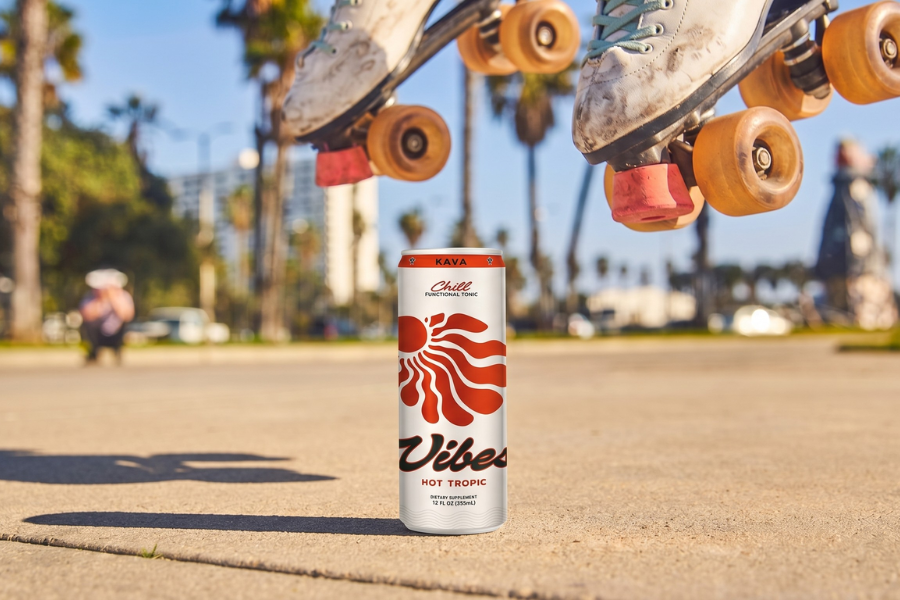
Modern ready-to-drink options like VIBES Hot Tropic Kava are designed to make Kava more approachable for beginners by combining tropical flavor notes with a convenient ready-to-sip format.

Kava Taste Summary

Flavor Characteristic

Description

Earthiness

High

Bitterness

Moderate

Sweetness

Very Low

Pepperiness

Mild

Herbal Notes

Moderate

Mouthfeel

Smooth to Slightly Gritty

Numbing Effect

Mild

Similar To

Matcha, Herbal Tea, Black Coffee

The exact flavor varies depending on the kava variety, preparation method, freshness, and whether it is served traditionally or in a ready-to-drink format.

What Does Kava Tea Taste Like?

Kava tea has an earthy, herbal, and mildly bitter flavor. Compared to traditional kava prepared from strained root powder, kava tea is often lighter in taste and texture.

Some people compare kava tea to green tea or herbal infusions, although it generally has a stronger earthy character. Depending on the preparation method, certain varieties may also produce a mild peppery sensation and slight tongue numbness.

Because kava tea is often less intense than traditional preparations, it can be a good introduction for people who are curious about kava but hesitant about its stronger root flavor.

Does Kava Taste Bad?

For many first-time drinkers, Kava’s flavor can feel unfamiliar at first — but "bad" isn't quite the right word. Different is more accurate.

Like black coffee, dark chocolate, or unsweetened matcha, Kava has a flavor that reflects its natural roots. It's not hiding behind sugar or fruit flavors. Once you understand what you're drinking and why, the taste often becomes part of a ritual you look forward to.

Many long-time Kava drinkers say they actually grow to enjoy the flavor, associating that first earthy sip with the calm, centered feeling that follows.

Why Does Kava Taste Like Dirt?

Many first-time drinkers describe kava as tasting like dirt or mud. This comparison comes from the fact that kava is made from the root of the Piper methysticum plant rather than fruit, leaves, or grains.

Traditional kava is mixed with water and may contain tiny root particles that contribute to its earthy flavor and texture. While this taste can be surprising initially, many regular drinkers become accustomed to it over time.

High-quality noble kava is generally smoother and less harsh than lower-grade products, making the earthy notes easier to appreciate.

How to Make Kava Taste Better

You don't have to suffer through the taste to enjoy Kava's experience. Here are proven ways to make it smoother:

  1. Add natural flavor boosters — Coconut milk, cocoa, vanilla, or honey balance the bitterness
  2. Mix with fruit juice — Pineapple, mango, citrus, and orange pair beautifully with Kava's earthy base
  3. Chill it — Cold Kava is far more palatable than warm or room-temperature
  4. Use a chaser — Sip fruit juice or eat a piece of fruit between sips
  5. Try flavored or ready-to-drink Kava — Modern blends are smoother and beginner-friendly

Best Flavor Pairings for Kava Drinks

Kava's earthy, peppery flavor pairs naturally with ingredients that complement rather than mask it.

  1.  Tropical Fruit Notes — Pineapple, mango, passionfruit, and citrus add juicy brightness that balances Kava's earthy base. Great for social or warm-weather settings.
  2. Light Herbal Accents — Mint, lemongrass, or basil add aromatic freshness and complexity without heaviness.
  3. Sparkling Water or Light Soda Base — Fizziness softens Kava's texture and makes it more refreshing — ideal for first-time drinkers.
  4. Light Sweeteners (Allulose, Agave, Coconut Sugar) — A touch of natural sweetness smooths the initial bitterness while keeping the profile clean and functional.

Tip: Sip slowly to let your palate adjust, start with flavored or ready-to-drink Kava, and choose mixers that complement — rather than mask — the plant's natural character.

Our Experience With Different Kava Formats

After reviewing traditional kava preparations and modern ready-to-drink kava beverages, one consistent observation is that flavor can vary significantly depending on preparation and origin.

Traditional kava generally delivers the strongest earthy and peppery notes, while ready-to-drink options often balance those characteristics with fruit or botanical flavors. Fijian kava is commonly perceived as smoother and milder, while Vanuatu kava often has a bolder and more pronounced root flavor.

For first-time drinkers, chilled and flavored kava beverages are usually the easiest introduction to kava's unique taste profile. More experienced drinkers often appreciate traditional preparations for their authentic flavor and cultural significance.

Frequently Asked Questions:

What does Kava taste like?

Kava tastes earthy, peppery, and slightly bitter, with a mild numbing sensation on the tongue. It's often compared to strong matcha or muddy herbal tea.

Does Kava taste like dirt or mud?

Many people describe Kava as "muddy" or earthy, especially traditional preparations. Quality noble Kava and flavored blends taste cleaner and smoother.

Why Is Kava So Bitter?

Kava tastes bitter because it contains natural compounds called kavalactones found in the root of the Piper methysticum plant. Many people compare the flavor to strong matcha, black coffee, or herbal tea.

Why does Kava numb your mouth?

The numbing comes from kavalactones — Kava's active compounds. A tingling sensation on your lips and tongue is completely normal.

Which Kava tastes the best?

Fijian Kava is generally the smoothest and mildest, while Vanuatu Kava is bolder and earthier. Taste preference is personal.

Does Kava taste like green tea or matcha?

Kava is often compared to strong matcha or herbal tea, but it's earthier, more peppery, and not sweet.

Can you make Kava taste good?

Yes. Mixing Kava with citrus, coconut, fruit juice, or chilling it can significantly improve the taste. Flavored ready-to-drink blends are also smoother.

Why does Kava taste better over time?

Your brain links Kava's earthy flavor to its calming effects, so the taste becomes a comforting cue for relaxation over time.

Is bitter Kava stronger?

Not necessarily. Bitterness depends on the strain, preparation, and freshness — not strictly on potency.

Does Kava give you a buzz?

Kava creates relaxation and a grounded feeling, but not a stimulant high or intoxicating buzz. The experience is subtle and smooth.

Does Flavored Kava Taste Better?

For many beginners, yes. Tropical fruit flavors, citrus, and carbonation can help balance Kava’s earthy and bitter taste.

What should I expect when trying Kava for the first time?

Most first-time Kava drinkers notice an earthy, root-like taste and a mild numbing sensation on the tongue or lips. The experience usually builds gradually, with many people describing it as calm and relaxing rather than intense or overwhelming.

Does Kava Taste Like Alcohol?

No, kava does not taste like alcohol. Traditional kava has an earthy, peppery, and slightly bitter flavor that comes from the root of the Piper methysticum plant. Unlike beer, wine, or spirits, kava is not fermented and does not have the sweet, fruity, or alcoholic notes commonly associated with alcoholic beverages.

What Does Carbonated Kava Taste Like?

Carbonated kava typically tastes lighter and more refreshing than traditional kava. The carbonation helps soften the earthy flavor while enhancing fruit, citrus, or botanical notes that may be included in the beverage. Many first-time drinkers find sparkling kava easier to enjoy than traditional preparations.

Why Do People Compare Kava to Matcha?

People often compare kava to matcha because both beverages have earthy, plant-based flavors and a slightly bitter finish. While matcha comes from green tea leaves and kava comes from root material, both share herbal characteristics that make the comparison familiar for first-time drinkers.

Does Noble Kava Taste Different From Tudei Kava?

Yes. Noble kava is generally described as smoother, cleaner, and more balanced in flavor. Tudei kava often has a stronger, harsher, and more bitter taste. Most commercial kava products use noble kava because it is preferred for its quality and flavor profile.

Can You Reduce Kava Bitterness?

Yes. Kava bitterness can be reduced by serving it cold, mixing it with fruit juice, adding coconut milk, or choosing flavored ready-to-drink kava beverages. Citrus, pineapple, mango, and other tropical flavors are commonly used to balance kava's earthy taste.

What Should First-Time Kava Drinkers Expect?

Most first-time kava drinkers notice an earthy, root-like flavor along with a mild peppery taste and slight tongue numbness. Traditional kava can seem unusual at first, but many people become more familiar with the flavor over time, especially when served chilled or paired with fruit-based flavors.

Final Thoughts: Is Kava Worth Trying?

Kava doesn't taste like a typical beverage — and that's part of what makes it unique. Its earthy, bitter flavor reflects its roots as a traditional Pacific Island plant and social drink. With modern formulations, the taste has become far more approachable, while the calming, clear-headed effects remain.

If you're exploring functional beverages or alcohol-free alternatives, Kava is worth experiencing at least once — taste and all. Start small, experiment with flavors, and approach it with an open mind. You may find that earthy first sip becomes a comforting ritual.

Disclaimer: This content is for informational purposes only and is not medical advice. Kava is not FDA-approved to diagnose, treat, cure, or prevent any disease. Kava is intended for adults only. If you are pregnant, nursing, taking medication, or have liver concerns, consult a healthcare professional and review guidance from the NCCIH before use.

Readers can also review guidance from the NIH Office of Dietary Supplements and the FDA Consumer Information portal for additional information about dietary supplements and Kava-related advisories.


Continue reading
Kava

Kava

Kava, also called kava kava, is a plant native to the South Pacific and belongs to the pepper family. Its scientific name is Piper methysticum. The word “Kava” may refer to the plant itself, its root, or the traditional beverage made by preparing the root with water.

Key Takeaways

  • Kava comes from the root/rootstock of Piper methysticum, a South Pacific plant in the pepper family
  • Its main active compounds are kavalactones
  • Kava may produce calming, sedating, or mildly psychoactive effects
  • Research is strongest for anxiety, but findings remain mixed
  • Kava has been linked to rare but sometimes serious liver injury
  • Kava should not be mixed with alcohol or sedative medicines

Kava At A Glance

Common names

Kava, kava kava, awa, ava, kawa, sakau, yaqona/yagona, Sakau, Seka, and Malok or Malogu

Scientific name

Piper methysticum

Plant family

Pepper family

Main plant part

Root/rootstock

Main compounds

Kavalactones

Traditional form

Non-fermented water-based beverage

Modern forms

Powder, capsules, tablets, extracts, teas, prepared drinks, gummies

Biggest concern

Liver injury, sedative interactions, and product inconsistency

U.S. status

Not controlled under the Controlled Substances Act, but not FDA-approved for any medical indication

Common Names: Kava, Kava Kava, awa, ava pepper, Kawa ava root, Yaqona or Yagona, Sakau, Seka, and Malok or Malogu

Origin & History

  • Kava is native to the South Pacific: Kava comes from the Pacific Islands and belongs to the pepper family. Its scientific name is Piper methysticum.
  • It has been used for thousands of years: Pacific Island communities have prepared Kava beverages for ceremonial, social, and traditional purposes for a very long time.
  • The word “Kava” has Pacific linguistic roots: According to Lynch (2002), the reconstructed Proto-Polynesian term for the plant, Kava, comes from the Proto-Oceanic term kawaR, understood as a “bitter root” or a “potent root,” including one associated with fish-poison use.
  • Kava is closely tied to Oceania: Its traditional use is especially associated with island communities across Polynesia, Micronesia, and Melanesia.
  • Vanuatu is often linked to Kava’s early history: Kava is widely discussed as having important historical roots in Vanuatu, with its spread later extending across other Pacific Island regions.
  • Traditional Kava is root-based: Historically, kava was prepared by grinding, crushing, or pounding fresh or dried kava root, mixing it with water, and straining the liquid before serving.
  • Kava carried cultural importance beyond the drink itself: In many Pacific communities, kava became part of ceremonies, gatherings, hospitality practices, and shared social customs.
  • Its use has expanded outside the Pacific Islands: Kava beverages have become more common in other parts of the world, including kava bars in many locations across the United States.
  • Modern kava appears in many forms: Along with traditional beverages, kava is now sold as dietary supplements, powders, extracts, teas, prepared drinks, and other commercial products.

Cultural Background

  • Ceremonial value: Kava has long been used by Pacific Islanders for ceremonial purposes, with NCCIH noting that kava beverages have been used for thousands of years. (NCCIH)
  • Social role: Kava is also a traditional recreational drink in Polynesia, Micronesia, and Melanesia, often shared in community and social settings. (Wikipedia)
  • Regional customs: Kava traditions vary across Western Oceania; different islands and communities have their own cultural practices around kava. (Wikipedia)
  • Cultural meaning: Kava rituals have been associated with strengthening group ties, reaffirming status, and supporting spiritual or ceremonial communication. (Alcohol and Drug Foundation)
  • Modern presence: Kava culture now extends beyond the South Pacific through diaspora communities and kava bars, including many locations in the United States. (NCCIH)

Forms of Kava

  • Traditional kava beverage: Kava is commonly prepared as a non-fermented drink made from the plant’s rootstock. Traditional preparation may involve chewing or pounding the rootstock, soaking it in water, and filtering the liquid before drinking. (Drug Enforcement Administration)
  • Kava root and powdered root: Dried kava root that has been ground into powder. It is different from an extract because it contains ground root material rather than a concentrated kavalactone preparation.
  • Kava capsules and tablets: Oral supplements typically filled with powdered kava root or kava extract. In the United States, kava is sold as a dietary supplement, including capsule and tablet forms. However, these products are often promoted for anxiety and other health-related purposes, although they are not FDA-approved medicines.
  • Kava extracts: Concentrated preparations made to contain kavalactones, the main active compounds in kava. Extracts may appear as powders, pastes, or liquids. Some liver-injury reports have involved products extracted with alcohol or acetone, although cases have also involved water-prepared beverages. 
  • Kava teas and drink mixes: Commercial kava may appear as tea bags, instant powdered drink mixes, and other prepared beverage formats. 
  • Ready-to-drink kava beverages: Kava beverages are now sold outside the Pacific Islands, including at kava bars in many U.S. locations. 
  • Kava gummies and other products: Chewable products that contain kava powder or kava extract.
Pharmacology: How Does Kava Work

Pharmacology: How Does Kava Work?

Kava contains a group of compounds known as kavalactones or kavapyrones. About 18 kavalactones have been identified, and at least 15 are considered active. However, most of kava’s pharmacological activity is linked to six major kavalactones: “kavain,” “dihydrokavain,” “methysticin,” “dihydromethysticin,” “yangonin,” and “desmethoxyyangonin.” These six are often described as responsible for about 96% of the plant’s pharmacological activity.

Kava also contains minor constituents such as the chalcones “flavokavain A,” “flavokavain B,” and “flavokavain C.” A toxic alkaloid called “pipermethystine” has also been identified, although that is not present in the consumable parts of the plant.

Kava mainly affects the central nervous system: Pharmacologically, kava is linked with central nervous system activity, which helps explain why it is associated with relaxation, calmness, drowsiness, and mild psychoactive effects. Its compounds do not appear to act through a single pathway only.

GABA activity is one major pathway: Kavalactones are often discussed for their effect on GABA-A receptor activity, a pathway involved in slowing nerve signaling in the brain. Reported actions include potentiation of GABA-A receptor activity by “kavain,” “dihydrokavain,” “methysticin,” “dihydromethysticin,” and “yangonin.”

Kava may also influence other signaling systems: Reported pharmacological actions include effects on dopamine and norepinephrine reuptake, CB1 receptor binding, voltage-gated sodium and calcium channels, and reversible monoamine oxidase-B inhibition. These combined actions may contribute to kava’s relaxing, mood-related, and sedating profile.

The exact mechanism is still not fully established: Although kavalactones are known to be central to kava’s effects, researchers continue to study exactly how these compounds act in the brain and body. Evidence suggests multiple pathways may be involved rather than one simple mechanism.

Kava Effects On The Body

A PubMed-indexed review suggests several body effects: A PubMed-indexed review by Singh states that kava’s biological effects are linked to kavalactones and may include sedative, anxiolytic, antistress, analgesic, local anesthetic, and neuroprotective effects.

Common effects may feel relaxing or calming: ADF reports that people may experience feeling happy and relaxed, mild sleepiness, numbness in the mouth and throat, and a reduced or loss of appetite.

Smaller amounts may affect muscles and alertness: The Better Health Channel report suggests that smaller amounts of kava may cause relaxed muscles, sleepiness, feelings of well-being and relaxation, mild loss of feeling in the throat and mouth, and appetite loss. 

A PubMed-indexed review titled Kava as a Clinical Nutrient: Promises and Challenges suggests that kava’s potential benefits are mainly linked to neurological effects, especially stress and anxiety, while newer research is also examining its anti-inflammatory and anticancer properties.

Kava is a central nervous system depressant and can produce alcohol-like symptoms such as balance issues and slurred speech.

Effects depend on body size, general condition, previous experience, strength, amount, and other substances taken around the same time. 

Larger amounts may cause drowsiness, nausea, loss of muscle control, mild fever, pupil dilation, and red eyes.

Kava effects on anxiety

Research suggests kava may have short-term anxiety-related effects, especially in some placebo-controlled studies and reviews. However, the evidence is not consistent enough to present kava as a confirmed treatment for generalized anxiety disorder.

A Cochrane review found that kava extract showed a small but significant benefit over placebo for symptomatic anxiety, while NCCIH states that kava may help anxiety after several weeks but does not appear helpful for generalized anxiety disorder. (PMC, NCCIH)

A 2003 review of 11 randomized controlled trials covering 645 patients found that ten of the eleven studies showed a decrease in anxiety compared to placebo, with benefits appearing comparable to the effect of tranquilizers such as benzodiazepines and the anxiety drug buspirone. Side effects included nausea, stomach aches, drowsiness, and headaches.

Kava and sleep or insomnia

Kava is sometimes discussed for sleep because of its calming and sedating effects, but the evidence is limited. One PubMed-indexed clinical study on kava extract WS 1490 suggested that it may help sleep disturbances linked with non-psychotic anxiety disorders. However, this does not prove that kava is effective for general insomnia. (PubMed)

Another randomized placebo-controlled trial found that kava did not improve insomnia more than placebo, and that there is not enough evidence to show whether kava helps conditions other than anxiety.

Kava and PTSD

A Frontiers in Psychology review explores kava-talanoa, a culturally grounded approach that combines kava with talanoa, a Pacific form of open group discussion. The authors describe it as a possible culturally aligned medico-behavioral approach for reducing PTSD symptoms, but they also note that planned clinical trials are still needed.

Kava Side Effects

  • Headache
  • Dizziness
  • Sleepiness
  • Digestive upset
  • Nausea or vomiting
  • Numbness or tingling in the mouth/throat
  • Reduced appetite
  • Slowed coordination
  • Skin changes with heavy long-term intake
  • Possible liver injury in rare cases

Kava Effects On The Liver

Kava has been associated with potential liver toxicity (hepatotoxicity), but the evidence remains debated. Some kava extracts have shown hepatotoxic effects, and these concerns led health authorities in the United States, Australia, and Canada to issue warnings.

Possible factors include toxic alkaloids from leaves and stems, contamination, commercial extraction methods, drug interactions, and genetic differences in metabolism.

Is Kava Legal?

Yes, kava is legal in the USA.

  • In the United States, kava is not controlled under the Controlled Substances Act.
  • It is sold as a dietary supplement, but the FDA has not approved kava products for any medical indication.
  • Rules differ by country, and some regions have restricted or previously banned kava products because of liver-related concerns.

Is Kava An Alcohol Alternative?

Kava is often marketed as an alcohol alternative because it may create calming, relaxing, or mildly psychoactive effects. However, experts do not consider it a simple or risk-free replacement for alcohol. 

According to Dr. Jarratt Pytell, MD, MHS, an internal medicine and addiction medicine physician and assistant professor in the University of Colorado Department of Medicine, kava may be a potentially less harmful option for some people trying to reduce alcohol intake, but it still carries risks and should not be mixed with alcohol. 

He also notes that kava is not regulated like alcohol or prescription medicines; its effects can vary by product, and concerns remain around liver toxicity, sedation, and unknown long-term impact.

Why Is Kava Featured In Hot Tropic?

Hot Tropic brings Kava into a modern ready-to-drink format while keeping the ingredient connected to its traditional South Pacific roots. Its role in the drink comes from the kavalactones naturally found in Kava.

Kava is featured in Hot Tropic because it:

  • Offers an alternative to caffeine-led drinks
  • Removes the need for traditional preparation
  • Connects the drink to Kava’s social history
  • Fits relaxed gatherings, evening sipping, and slower social moments

Rooted in tradition and ready for right now, Hot Tropic brings Kava into the moments when the day begins to loosen its grip.

What’s unknown about kava?

Many questions about kava remain unanswered. Researchers do not yet know whether kava can help reduce alcohol-related harm, how widespread kava access would affect public health, or whether people would replace alcohol with kava instead of using both. 

How much kava one must consume to start feeling its effects?

There is no fixed amount of kava that works the same for everyone. Effects depend on the product form, kavalactone content, preparation method, amount consumed, individual response, and whether alcohol or other substances are involved. 

“I think it’s almost impossible to say how much has to be consumed to feel the effects, and that’s the problem with unregulated substances.” As Dr. Jarratt Pytell quotes. It is generally better to start with a low amount if you are a beginner. 

Are kava drinks a good substitute for alcohol for Dry January?

Kava drinks may work as an alcohol alternative for some people trying to reduce or stop drinking, but they are not the safest or lowest-risk substitute. Compared with water, non-alcoholic beer, or other alcohol-free beverages, kava carries more uncertainty because it is not a zero-risk substance. 

Kava may be reasonable for someone replacing daily alcohol intake, but its potential risks, unregulated nature, liver concerns, and unknown long-term effects should still be considered. It should not be presented as a broadly endorsed public health solution for Dry January.

What to consider before consuming kava?

Before consuming kava, consider why you want to try it, where you are getting it from, and whether the setting is appropriate. If you are trying kava for anxiety, sleep, or alcohol replacement, it is especially important to understand that kava is not risk-free and may not be suitable for everyone. Choose a trusted source, avoid mixing it with alcohol or sedative substances, and do not plan to drive afterward. For first-time users, starting with a low amount rather than finishing a whole drink at once is better.

Who should avoid kava?

Kava is not suitable for everyone. People with liver conditions, pregnant or breastfeeding women, children, people taking sedatives or certain prescription medicines, people drinking alcohol, and anyone who needs to drive or stay alert should avoid kava or consult a healthcare professional first.

Does kava help with generalized anxiety disorder (GAD)?

Kava does not appear to be helpful for symptoms of generalized anxiety disorder. While some evidence supports short-term anxiety symptom relief in general, clinical trials specifically targeting GAD have not shown kava to be more effective than placebo.

Can you mix Kava and alcohol?

No. Combining kava with alcohol can increase how intoxicated you feel and raises the risk of liver damage. The combination is considered unsafe by health authorities and addiction medicine physicians.

Is Kava FDA-approved?

No. Kava products sold in the United States are generally marketed as dietary supplements, not FDA-approved medicines. This means they should not be presented as approved treatments for anxiety, insomnia, PTSD, or any other medical condition.

References

  1. National Center for Complementary and Integrative Health. “Kava: Usefulness and Safety.” National Institutes of Health. Last updated April 2025. (NCCIH)
  2. Wikipedia contributors. “Kava.” Wikipedia, The Free Encyclopedia. (Wikipedia)
  3. Better Health Channel. “Kava.” State Government of Victoria, Australia. (Better Health Channel)
  4. U.S. Drug Enforcement Administration, Diversion Control Division. “Kava.” Drug & Chemical Evaluation Section. (DEA Diversion Control Division)
  5. UCLA Health. “Ask the Doctors: What Are the Risks and Benefits of Kava?” UCLA Health. (UCLA Health)
  6. Alcohol and Drug Foundation. “Kava.” Alcohol and Drug Foundation. (Alcohol and Drug Foundation)
  7. Bian, T., Corral, P., Wang, Y., et al. “Kava as a Clinical Nutrient: Promises and Challenges.” Nutrients, 2020. (PMC)
  8. Health.mil. “Kava for Generalized Anxiety Disorder.” Military Health System. (Military Health System)
  9. University of Colorado Anschutz Medical Campus. “Is Kava a Good Alcohol Substitute for Dry January?” Department of Medicine. (CU Anschutz News)
  10. GoodRx Health. “What Is Kava? Uses, Benefits, Side Effects, and More.” GoodRx. (GoodRx)
  11. Pittler, M. H., and Ernst, E. “Kava Extract Versus Placebo for Treating Anxiety.” Cochrane Database of Systematic Reviews, 2003. (PMC)
  12. Sarris, J., Stough, C., Bousman, C. A., et al. “Kava in the Treatment of Generalized Anxiety Disorder: A Double-Blind, Randomized, Placebo-Controlled Study.” 2013. (PubMed)
  13. Lehrl, S. “Clinical Efficacy of Kava Extract WS 1490 in Sleep Disturbances Associated With Anxiety Disorders.” 2004. (PubMed)
  14. Jacobs, B. P., Bent, S., Tice, J. A., Blackwell, T., and Cummings, S. R. “An Internet-Based Randomized, Placebo-Controlled Trial of Kava and Valerian for Anxiety and Insomnia.” Medicine, 2005. (PubMed)
  15. LiverTox. “Kava Kava.” Clinical and Research Information on Drug-Induced Liver Injury, National Institute of Diabetes and Digestive and Kidney Diseases. Last updated April 10, 2018. (NCBI)
  16. Aporosa, S. A., et al. “Innovating Through Tradition: Kava-Talanoa as a Culturally Aligned Medico-Behavioral Therapeutic Approach to Amelioration of PTSD Symptoms.” 2025. (PMC)
Continue reading