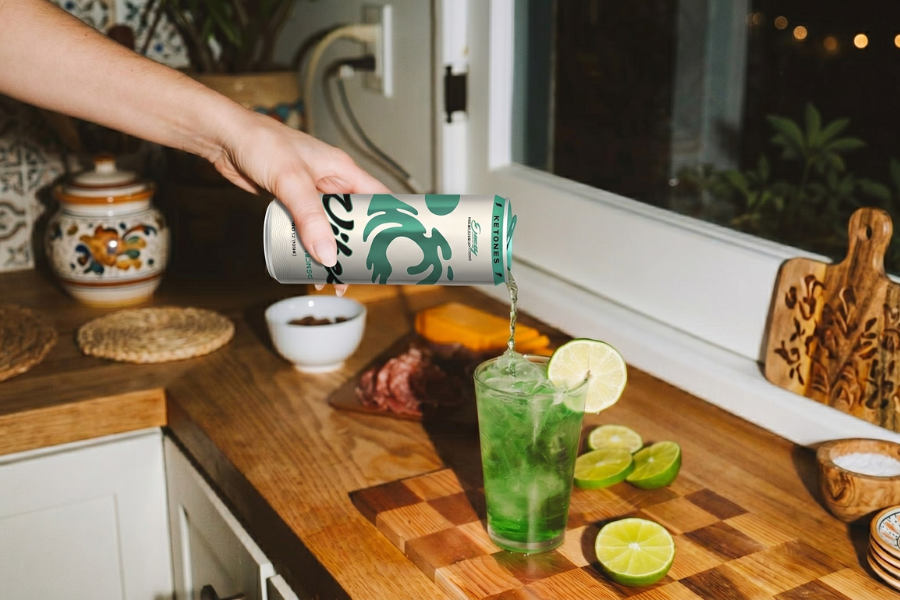
Vibes Blogs: Functional Beverage Trends and Guides

What Are Ketone Drinks?

What Are Ketone Drinks?

Ketone drinks are rightly called the "Keto in a Bottle." This is because where a keto diet asks you to cut carbs for months before your body starts responding, these drinks raise your blood ketone levels just by drinking them.

Ketone drinks are basically functional beverages that are made with exogenous ketones. When you drink them, your ketone levels go up, and you do not have to overhaul your entire diet for it. And that is why these drinks are one of the most accessible forms of ketone supplements available today.

If you are curious about these drinks and thinking about adding them to your routine, this guide will help you. It covers what ketone drinks actually are, how they work in your body, the difference between ketone esters and ketone salts, who is using them and why, and whether they are worth it.


What Are Exogenous Ketones?

Before jumping straight into “What Ketone Drinks are?”, it becomes essential to define what exogenous ketones mean. This is because these drinks are nothing but exogenous ketones only.

Exogenous ketones are ketones that come from outside your body. They are different from the ones that your body makes naturally when you follow a defined eating pattern like fasting, low-carb eating, or a ketogenic diet. And, these exogenous ketones are widely available and can be consumed as drinks, powders, or even supplements.

According to a study published in Frontiers in Physiology, an alternative to the ketogenic diet is the consumption of drinks containing exogenous dietary ketones, such as ketone esters and ketone salts.

BHB Ketones

Most ketone drinks use beta-hydroxybutyrate, or BHB, as their primary ingredient, as it is one of the main ketones that shows up in blood ketone testing, and that is why it has become the standard across most ketone supplements available today.

What Do Ketone Drinks Do?

In simple terms, these drinks raise the BHB levels in your blood, which is the compound that your body actually uses for energy.

What that means in practice is that a drink like this does not put you into the same state that a strict ketogenic diet does. That kind of metabolic shift is something that has traditionally required a high-fat, low-carbohydrate eating pattern, which can be difficult to stick to for many people. These drinks offer an alternative way to raise blood BHB levels without requiring that kind of dietary commitment.

👉 Think of it as a short-term BHB boost rather than a full metabolic shift. 

Who Uses Ketone Drinks, and What Are They Looking For? 

The people who reach for these drinks come from different backgrounds and have different reasons for doing so.

  • Ketogenic diet followers use them to top up between meals or during periods when they want an extra push.
  • Athletes reach for them as a quick fuel source, particularly before or during training.
  • Curious newcomers use them to explore what elevated ketone levels feel like without committing to a full dietary change.
  • Low-carb eaters find them useful for bridging the gaps on days when carb intake creeps slightly higher than usual.

📍 Remember, they are not a replacement for a ketogenic diet, but they do offer a convenient, ready-to-drink option for anyone who wants a temporary ketone boost. 

Ketone Ester vs Ketone Salt: What Is the Difference?

The two most common types of ketone drinks are ketone ester drinks and ketone salt drinks. And both of them provide exogenous ketones, but they get there in different ways and with different results.

Feature

Ketone Ester Drink

Ketone Salt Drink

Main form

Ketone ester or ketone monoester

BHB attached to minerals

Ketone rise

Usually stronger

Usually milder

Taste

Often stronger or more bitter

Usually easier to flavor

Common use

Performance, research, advanced keto users

Everyday ketone supplements

Mineral content

Usually lower

Often contains sodium, potassium, calcium, or magnesium

Duration

Often several hours

Usually a few hours

👉 Esters are generally the stronger option. Salts are more common in flavored, ready-to-drink formats because they are easier to formulate and more pleasant to drink. 

Do Ketone Drinks Put You in Ketosis?

Yes, but there is an important catch. 

Ketone drinks can raise your blood ketone levels, putting you into a temporary state sometimes called exogenous ketosis. That means ketones are present in your blood because you consumed them, not because your body produced them on its own.

Are Ketone Drinks the Same as a Keto Diet?

No, they are not the same thing.

A ketogenic diet is a long-term way of eating that cuts carbs low enough for your body to start making its own ketones. Ketone drinks do not require any of that. They simply deliver ketones to your body directly, without any dietary change.

Ketone Drinks

Ketogenic Diet

Ketones come from outside the body

The body makes its own ketones

Effects last a few hours

Lasts as long as the diet is maintained

Can raise BHB even after eating carbs

Generally requires low carb intake

A short-term ketone boost

A longer-term metabolic state

Comes as a beverage or supplement

A full eating pattern

👉 A ketone drink can raise your blood ketone levels. What it cannot do is replicate the full, sustained state of nutritional ketosis that comes from actually following the diet.

Are Ketone Drinks Worth It?

That depends entirely on what you are looking for.

If you are already following a ketogenic diet and want a convenient way to top up your ketone levels, they can be a useful addition to your routine. If you are simply curious about what elevated ketone levels feel like without committing to a full dietary change, they offer a low-barrier way to find out.

If you are looking for a functional, ready-to-drink option that combines ketones with nootropics and hydration minerals, Electric Shores is worth exploring.

Final Thoughts

Ketone drinks are functional beverages that deliver exogenous ketones, usually in the form of BHB, directly into your bloodstream. They raise blood ketone levels temporarily, work faster than dietary ketosis, and are available in a range of formats from ketone esters to ketone salts.

They are not a replacement for a ketogenic diet, but they do not need to be. For the right person and the right moment, a ketone drink offers something straightforward: a quick, accessible ketone boost without the commitment of a full dietary change.

FAQs

What Do Ketone Drinks Do?

Ketone drinks raise blood BHB levels temporarily, usually within 15 to 30 minutes. They provide a short-term ketone boost rather than sustained nutritional ketosis.

How Long Do Ketone Drinks Last?

Most ketone drinks keep blood BHB elevated for around 2 to 5 hours, depending on the type and dose. 

What Does BHB Mean in a Ketone Drink?

BHB stands for beta-hydroxybutyrate. It is the primary active ingredient in most ketone drinks and the one most commonly measured in blood ketone testing.

Can You Drink Ketones Every Day? 

It depends on the product and your reason for using it. Most people use ketone drinks occasionally rather than daily, and it is always worth following the serving guidance on the label.

Do Ketone Drinks Have Side Effects?

Some people report mild digestive discomfort, particularly with ketone salt drinks that contain higher mineral content. Starting with a smaller amount and building up gradually is generally the best approach for anyone new to ketone drinks.

Disclaimer: The information in this blog is for general informational purposes only and is not intended as medical or nutritional advice. Ketone drinks are dietary supplements and are not designed to diagnose, treat, cure, or prevent any condition. If you have a medical condition, are pregnant, breastfeeding, or are taking any medications, consult a qualified healthcare professional before adding ketone supplements to your routine. Individual results may vary.

Continue reading
How Long Do Ketone Drinks Last?

How Long Do Ketone Drinks Last?

Ketone drinks have become a go-to for people who want the benefits of ketosis without committing to a strict keto diet or a multi-day fast. But once you crack one open, the question that naturally follows is: how long do ketone drinks last?

Most start working within 15 to 30 minutes and peak somewhere between one and two hours later. From there, several factors, the type of ketone, the dose, whether you have eaten, and your own body, decide how long that peak actually sticks around.

This guide breaks down exactly what that timeline looks like, what affects it, how often you can drink ketones, and whether they ever expire.

      ⚡ Quick Answer: How Long Do Ketone Drinks Last? 

Most ketone drinks keep your BHB Ketones level up for about 3 to 4 hours. Stronger ketone ester drinks tend to last on the longer end of that, while ketone salts usually give a smaller, shorter boost.

Here is what that timeline typically looks like:

  • 10–30 minutes: Ketones start to rise
  • 30–60 minutes: The rise becomes noticeable
  • 1–2 hours: BHB levels typically peak
  • 3–4 hours: Ketones stay elevated, slowly tapering off
  • 4+ hours: Levels return to normal

This is the typical pattern, but the exact shape can shift a bit depending on the drink, the dose, and the person drinking it.


How Long Does It Take for Ketone Drinks to Work?

In terms of raising blood ketones, ketone drinks start working fast, usually within 15 to 30 minutes. But "working" can mean two different things here, and it's worth knowing the difference.

Blood BHB levels begin climbing within that same 15 to 30 minute window. That part is measurable and consistent. What is less consistent is whether you actually feel anything. Some people notice a shift, a bit of mental clarity or steadier energy, fairly quickly. Others may not notice much of anything, even while their BHB levels are rising right on schedule.

So if you are waiting to "feel" a ketone drink kick in the way you might feel a cup of coffee, you might be waiting on the wrong signal. The more reliable marker is what is happening in your blood, not necessarily what you are feeling at the moment.

How Long Do Exogenous Ketones Last?

Exogenous ketones usually last for a few hours after one drink. For many people, blood ketones stay elevated for around 3 to 4 hours, depending on the dose and type of ketone.

Type of Exogenous Ketone

Typical Duration

Ketone salts

Around 2–3 hours

Ketone ester drinks

Around 3–5 hours

Higher-dose ketone drinks

Can run longer

Taken with food

Often a lower peak

Ketone esters are usually stronger than ketone salts, so they may raise blood BHB higher and keep ketones elevated for longer.

What Does "Exogenous Ketone" Mean?

Exogenous simply means "from outside the body." So exogenous ketones are ketones you get from a drink or supplement, rather than ones your body produces on its own through fasting or a low-carb diet. 

How Long Does a Ketone Drink Keep You in Ketosis?

A ketone drink can keep your blood ketones elevated for a few hours. This temporary state is sometimes called "exogenous ketosis," since the ketones are coming from what you just drank, not from your body producing them on its own.

That said, it is not quite the same as nutritional ketosis, the kind you reach through a low-carb or ketogenic diet. A ketone drink can raise your blood ketones even if you have recently eaten carbs, but that boost is short-lived rather than a true metabolic shift.

What Affects Ketone Drink Duration?

The exact duration shifts from person to person and drink to drink, and it usually comes down to a handful of factors. 

Factor

How It Affects Duration

Type of ketone

Esters usually last longer than salts

BHB amount

A higher dose tends to stretch out the effect

Food intake

Drinking it with food can lower the peak

Activity level

Exercise can change how fast your body uses up the ketones

Carb intake

A high-carb meal can work against your overall ketosis state

Individual metabolism

Some people simply clear ketones faster than others


Ketone Ester vs Ketone Salt: Which Lasts Longer?

If you are asking how long ketosis lasts after a ketone ester, the short answer is usually several hours, longer than what you would typically get from a ketone salt drink.

That is really the heart of the difference between the two. Esters push BHB higher and keep it there longer, which is why they show up so often in performance and research settings. Salts are the more common, milder option, usually paired with minerals, and they still raise BHB, just with a smaller, shorter bump.

How Often Can You Take Ketone Drinks?

How often you can take ketone drinks depends on the product, serving size, and your reason for using them. Some people use them occasionally before workouts, during low-carb routines, or when they want a temporary ketone boost.

The best rule is to follow the label instructions and avoid stacking multiple servings without understanding the formula. Ketone salts, in particular, may contain minerals like sodium, potassium, calcium, or magnesium, so serving size matters.

Do Ketone Drinks Expire?

Like other functional beverages, they usually have a printed expiration date or best-by date on the bottle, can, or packaging.

Over time, the flavor, freshness, carbonation, texture, or ingredient quality may change. If a ketone drink is expired, smells off, tastes unusual, has damaged packaging, or was stored improperly, it is better not to use it.

Final Takeaway

So, how long do ketone drinks last? As we have seen in this guide, they start working within 15 to 30 minutes, often peak around 1 to 2 hours, and may keep blood ketones elevated for 3 to 4 hours or longer. Ketone esters generally last longer than ketone salts, while food, dose, activity level, and individual metabolism can all affect the final duration.

Ketone drinks can be useful for a short-term BHB boost, but they do not replace the longer-lasting ketosis that comes from a consistent low-carb or ketogenic routine.

FAQs

Is It Normal Not to Feel Anything After a Ketone Drink?

Yes. Blood BHB can rise measurably even if you do not notice a strong physical sensation. The effect is more about what is happening in your blood than a guaranteed, noticeable feeling.

Can You Take Ketone Drinks Every Day?

It depends on the product and your reason for using them. Many people use them occasionally rather than daily, and it is best to follow the label's serving guidance rather than stacking multiple servings.

Do Ketone Drinks Put You in the Same Ketosis as a Keto Diet?

Not exactly. A ketone drink temporarily raises blood ketones, sometimes called exogenous ketosis, but it does not replicate the full metabolic shift of nutritional ketosis from a sustained low-carb or ketogenic diet.

Do Ketone Drinks Work Faster on an Empty Stomach?

Yes. Taking a ketone drink with food can blunt and delay the rise in blood BHB, while drinking it on an empty stomach generally leads to a faster, more pronounced peak. 

Disclaimer: This blog is for informational purposes only and is not intended as medical or nutritional advice. Ketone drinks affect everyone differently depending on individual metabolism, health status, and lifestyle. If you have any existing health conditions, are on medication, or are pregnant, it is always best to speak with a healthcare professional before adding ketone drinks to your routine. 

Continue reading
Is It Safe To Drink Ketone Drinks?

Is It Safe To Drink Ketone Drinks?

For many healthy adults, ketone drinks are ones that appear to be generally tolerated in the short term. But is it safe to drink ketone drinks for everyone? Not necessarily.

The answer is one that depends on several things. The type of ketone that is used, how much you drink, how often you drink it, and the health situation that you are personally in. This guide covers the side effects that are most commonly reported, who should be cautious, and what the research that exists actually says about all of it.

Is It Safe To Drink Ketone Drinks

Table of Contents

  1. The Short Answer: Are Ketone Drinks Safe?
  2. What Are the Side Effects of Ketone Drinks?
  3. Ketone Esters vs Ketone Salts: Which Has More Safety Concerns?
  4. Are Exogenous Ketones Safe Long Term?
  5. Who Should Not Take Ketone Supplements?
  6. Can Ketone Drinks Cause Ketoacidosis?
  7. How to Read a Ketone Drink Label for Safety
  8. Final Takeaway
  9. FAQs

The Short Answer: Are Ketone Drinks Safe?

Ketone drinks are ones that may be safe for some healthy adults when used occasionally and as directed. But "safe" is not a one-size-fits-all answer here, and it is one that depends on a few things: 

👉The form of ketone used, whether that is an ester, a salt, or a precursor

👉 The serving size

👉 How often do you drink it

👉 Your overall health status

👉 Whether you have kidney disease, diabetes, blood pressure concerns, or take medications

Short-term tolerability in healthy adults is also not the same as proven long-term safety. Research that has looked at exogenous ketone products in the short term suggests they are generally tolerated, but the questions that remain around dosage, frequency, and long-term use across different populations are ones that still need more study before any firm conclusions can be drawn. 

What Are the Side Effects of Ketone Drinks?

The side effects that have been most commonly reported from ketone drinks are digestive, and for most people, they tend to be mild. A peer-reviewed study in the International Journal of Sport Nutrition and Exercise Metabolism has found that both ketone esters and ketone salts have produced mild GI symptoms in some participants, most of which were temporary and directly tied to the dose that was taken. 

Digestive Discomfort 

The side effects that tend to show up most often are ones like stomach cramps, bloating, gas, nausea, and loose stools, which are more commonly reported with ketone salts and higher doses of ketone esters. For most people, these are ones that are mild and temporary rather than persistent.

Dehydration

Ketone salt drinks are ones that carry minerals like sodium, potassium, and calcium. Too much of these at once is something that can disrupt your body's fluid balance and contribute to dehydration over time. 

Blood Glucose Changes 

Exogenous ketones are ones that may cause a mild reduction in blood sugar levels, which is something that matters more for people with diabetes or those who are on glucose-lowering medications. For that group, even a small shift in blood sugar is one that needs careful attention and medical guidance.

Higher servings have tended to be harder on the stomach than smaller ones. The type of ketone that is used matters too, since esters and salts do not always behave the same way at the same dose. 

Ketone Esters vs Ketone Salts: Which Has More Safety Concerns?

Both have generally been tolerated well by healthy adults. That said, they do come with slightly different things that are worth knowing about. 

Ketone Esters

Ketone esters tend to produce a stronger rise in blood ketone levels. They are not tied to any added mineral load, which keeps the electrolyte picture simpler. The main things people notice are taste, which can be sharp or bitter, and mild stomach discomfort at higher doses.

Ketone Salts

Ketone salts are BHB attached to minerals like sodium, potassium, calcium, or magnesium. That mineral content is something worth paying attention to, particularly for people who are already watching their sodium intake or managing blood pressure. It is not a reason to avoid them outright, just something to factor in when reading the label.

Safety Factor

Ketone Esters

Ketone Salts

Main consideration

Stronger ketone rise, taste, mild nausea

Added mineral load

GI side effects

Possible, usually mild

Possible, usually mild

Electrolyte consideration

Usually lower

Worth checking on the label

Best label check

Ketone form and serving size

Sodium, potassium, magnesium, calcium per serving

Both ketone esters and ketone salts are generally well tolerated, but how your body responds to either one can vary quite a bit. Your sensitivity to minerals, how your stomach handles new supplements, and how much you are consuming can all shape the experience differently for you. If you are trying either of them for the first time, starting with a smaller amount and paying attention to how you feel is always the smarter move. 

📖 BHB Ketones are the primary active compound found in most ketone drinks, and the one that is responsible for raising blood ketone levels after you drink one. You can know more about it in our detailed guide on What Are BHB Ketones? 

Are Exogenous Ketones Safe Long Term?

Short-term studies on ketone drinks have been encouraging. Research that has looked at ketone monoester consumption over several weeks has found it to be generally well tolerated in healthy adults. One study that has been conducted over 28 days found no significant safety concerns.

However, long-term safety data that has been gathered so far remains limited, especially regarding potential effects on liver and kidney function.

The better framing here is not "unsafe," but "not fully established." The data that has been collected around long-term daily use, particularly around kidney and liver function, is still something that needs more research before any firm conclusions can be drawn.

Who Should Not Take Ketone Supplements?

Most healthy adults who have used ketone drinks occasionally are unlikely to have run into serious issues. But there are some groups for whom checking with a healthcare professional first is something that is worth doing before getting started.

People with kidney disease

The kidneys are what regulate fluid and electrolyte balance in the body. Ketone salt products, which contain minerals like sodium, potassium, magnesium, or calcium, add to that load with every serving. Anyone who has kidney concerns should get medical guidance before adding any ketone supplement to their routine.

People with diabetes or blood glucose concerns

Ketone drinks can influence blood glucose levels. For people with diabetes that needs medical context, especially for anyone using insulin or SGLT2 inhibitors, where the relationship between ketone levels and blood glucose is one that requires careful attention.

Pregnant or breastfeeding people

Safety data for ketone supplements during pregnancy and breastfeeding is limited. Medical guidance before using any supplement in these situations is the right approach.

People taking blood pressure, heart, kidney, or glucose-lowering medications

Electrolyte changes and blood glucose effects from ketone drinks are ones that may interact indirectly with medications in these categories. That is not a certainty, but it is a reason to check before starting.

People on sodium-restricted diets

Ketone salt products can add a meaningful amount of sodium per serving. For anyone watching sodium intake, checking the label before choosing a ketone salt product is a simple and sensible step.

Can Ketone Drinks Cause Ketoacidosis?

Nutritional ketosis is a state where ketone levels have been mildly elevated, which is something that happens naturally during fasting, a ketogenic diet, or after drinking exogenous ketones. It is controlled, and for most healthy adults, it is not something that has been a cause for concern.

Ketoacidosis is a different thing entirely. It is a medical emergency that has been associated with dangerously high ketone levels, blood acidity, and in most cases, abnormal blood glucose regulation. It is something that has most commonly been linked to type 1 diabetes and insulin deficiency.

For most healthy adults, drinking a ketone supplement is not something that has been shown to cause ketoacidosis. The two are not the same thing, and treating them as if they are has created unnecessary confusion around a product that many healthy people have used without issue.

Can Ketone Drinks Cause Ketoacidosis

How to Read a Ketone Drink Label for Safety

Choosing the right ketone drink starts with knowing what to look for. The label is where most of the important information has been listed, and these are the things that matter most:

✔️ Type of ketone: Is it a ketone ester, ketone salt, BHB, ketone monoester, 1,3-butanediol, or a blend?

✔️ Sodium per serving: Especially relevant for ketone salt products

✔️ Potassium, magnesium, and calcium per serving: Total mineral load matters for daily use

✔️ Total serving size: Larger servings generally carry higher GI risk

✔️ Caffeine or stimulant ingredients: Some ketone products add stimulants that have their own considerations

✔️ Sugar alcohols or sweeteners: These can affect digestion, especially at higher doses

✔️ Suggested frequency of use: Check whether the label recommends occasional or daily use

✔️ Third-party testing: Look for products that document quality and purity testing

✔️ Warning labels: Check for any specific warnings around pregnancy, medical conditions, or medication use

The safest-looking product is not always the one with the biggest ketone number. A clear label, a reasonable serving size, and transparent mineral content matter just as much.

Final Takeaway: Is It Safe To Drink Ketone Drinks?

For many healthy adults, ketone drinks have appeared to be generally tolerated in the short term. The concerns that have come up most often are GI side effects, the electrolyte and sodium load that has been associated with ketone salts, and the fact that long-term daily safety is something that has not yet been fully established by the research that exists.

Ketone drinks are not automatically dangerous, but they are also not automatically appropriate for everyone. The approach that has worked best for most people is to treat them the way that any supplement would be treated: read the label carefully, start with a smaller serving, and speak with a healthcare professional if there are any existing health conditions or medications that are involved.

FAQs

Can You Drink Ketones Every Day?

Some healthy adults may tolerate ketone drinks daily in the short term, but everyday use and occasional use are different safety questions. Long-term daily safety is not fully established, particularly for ketone salt products that add sodium and other minerals with every serving. 

Do Ketone Drinks Interact With Medications?

Ketone drinks, particularly ketone salt products, may interact indirectly with medications that affect blood pressure, blood glucose, kidney function, or electrolyte balance. If you take any prescription medications, checking with a healthcare professional before using ketone drinks is the right step. 

Is It Safe To Mix Ketone Drinks With Alcohol?

There is limited research on combining ketone supplements with alcohol. Both can affect blood glucose and fluid balance, and combining them is generally not recommended, particularly for people with diabetes, blood pressure concerns, or those taking medications.

Continue reading
What Are BHB Ketones?

What Are BHB Ketones?

BHB ketones are a type of ketone body called Beta-Hydroxybutyrate. Your body can make BHB when it uses fat instead of glucose for energy, and BHB can also be added to supplements, powders, capsules, and functional drinks.

In simple terms, BHB is the main ketone people talk about when they mention ketone supplements. This guide explains what BHB ketones are, how they differ from other ketones, whether you need to be on keto to use them, and what to check before choosing a BHB drink.

Key Takeaways

  • BHB ketones are a type of ketone body called Beta-Hydroxybutyrate.

  • The body has three main ketone bodies: BHB, acetoacetate, and acetone.

  • BHB is the ketone most commonly used in BHB supplements, powders, capsules, and functional drinks.

  • Exogenous BHB comes from outside the body and can raise blood ketone levels without requiring a strict keto diet.

  • When choosing a BHB drink, check the BHB type, serving size, caffeine content, sugar level, and added functional ingredients.

Table of Content

What Are Ketones?

To put it simply, ketones are acids your body makes when it uses fat instead of glucose for energy.

Our body runs on two kinds of fuel: glucose (from carbs and sugar) and ketones (from fat).

Most of the time, glucose is the default. You eat; your blood sugar rises, your body burns it off, and then you need more. That's the cycle behind the afternoon slump, the post-lunch crash, and the reason a sugar-based energy drink only lasts an hour.

Ketones are a different story. Your liver produces them when carb intake is low, such as during fasting, intense exercise, or a ketogenic diet. Instead of burning glucose, your body starts burning fat and converting it into ketones, which your brain and muscles can use as fuel.

Ketones can act as an alternative fuel source when glucose availability is lower. Because they are used differently from sugar-based energy, they are often discussed in relation to steadier energy and metabolic flexibility.

The Three Main Ketone Bodies

Ketone Body

Simple Meaning

Why It Matters

Beta-Hydroxybutyrate / BHB

The most common ketone discussed in supplements

Often used in BHB drinks and ketone supplements

Acetoacetate

Another ketone body is made during ketosis

Can convert into BHB or acetone

Acetone

A breakdown product of acetoacetate

Often leaves through breath or urine

What Are BHB Ketones?

BHB stands for Beta-Hydroxybutyrate. It's one of three ketone bodies your liver produces (the other two are acetoacetate and acetone), and it's the most abundant, making up around 78% of all ketones in your blood.

It's also the most stable and the most studied. When researchers look at what ketones actually do for energy and brain function, they're almost always measuring BHB.

There are two forms of BHB: D-BHB, which is the active form your body uses, and L-BHB, which plays a supporting metabolic role. The best BHB supplements and drinks use D-BHB, sometimes listed as goBHB on the label.

Is BHB Ketone Actually A Ketone?

BHB is not technically a true ketone by chemical structure, but it is considered one of the body’s three main ketone bodies. That is why BHB is commonly called a ketone in nutrition, keto, and supplement discussions.

BHB Vs Ketones: What’s The Difference?

All BHB is a ketone, but not all ketones are BHB. Here's how they break down:

Feature

Ketones

BHB / Beta-Hydroxybutyrate

What it is

A group of ketone bodies made by the liver

One specific ketone body

Types

BHB, acetoacetate, and acetone

Mainly BHB; D-BHB is the form the body uses

In the bloodstream

All ketones together make total ketone levels

BHB makes up the largest share, often around 70–80%

Supplement form

Usually not sold as a broad “ketones” group

Commonly sold as exogenous BHB in powders, capsules, and drinks

Main role

Alternative fuel source when glucose is low

The main circulating ketone used for energy

Why it matters

Shows the body is using ketones for fuel

The key ketone most often measured and supplemented


How BHB Works In The Body?

BHB doesn't just float around in your bloodstream doing nothing. Once it's there, whether your body made it or you drank it, it gets to work fast. Here's what that actually looks like.

Endogenous vs Exogenous BHB: What's The Difference?

There are two ways BHB ends up in your body:

  • Endogenous BHB is what your body makes on its own. When you fast, exercise hard, or cut carbs significantly, your liver starts breaking down fat and converting it into BHB. This is the natural route, but it takes time, dietary discipline, and consistency to get there.

  • Exogenous BHB is BHB that comes from outside through a supplement or a functional drink. You consume it, it absorbs quickly, and your blood ketone levels rise directly. No fasting or strict diet is required.

This distinction matters more than most people realize. It means you don't have to earn BHB through weeks of keto eating. You can drink it.

What Does BHB Actually Do In The Body?

Once BHB is in your bloodstream, three things happen:

  • It fuels your brain: BHB can cross the blood-brain barrier and may serve as an alternative fuel source for the brain when ketone levels are elevated. Your brain runs on it, which is why people report sharper thinking and less mental fog when ketone levels are elevated.
  • It powers your muscles: BHB gives your muscles an alternative energy source that doesn't depend on carb availability. This is why it shows up in performance and endurance contexts.
  • It skips the crash cycle: Unlike glucose, BHB doesn't trigger an insulin spike. No spike means no sudden drop. The energy it provides is steadier and longer-lasting by design.

Do You Need To Be On Keto To Use BHB?

No. Exogenous BHB can raise blood ketone levels without requiring a strict keto diet. That means BHB drinks and supplements are not limited to people following ketogenic eating patterns.

Research on exogenous BHB shows measurable effects on energy and cognitive function even in people eating a completely normal diet. The diet does not have to come first.

If you want cleaner, steadier energy without overhauling what you eat, exogenous BHB in a functional drink gives you direct access to that, no keto required.

BHB Supplements & Drinks: What To Know

Not all BHB products are the same. The ingredient matters, but so does the dose, the format, and what's sitting alongside it in the formula. Here's what to actually look for.

How Much BHB Is Actually In A Supplement Or Drink?

Clinical research on exogenous BHB typically uses doses of 10–12 grams per serving to produce measurable increases in blood ketone levels. Most standalone BHB powders and capsules aim for that range.

RTD functional drinks work differently. Instead of leading with a high BHB dose in isolation, they use a targeted BHB dose paired with other functional ingredients that complement its action. The BHB doesn't work on its own; it's part of a stack.

Also Read: Functional Drinks vs Energy Drinks: What Is The Difference?

What Does BHB Actually Feel Like?

BHB energy doesn't feel like caffeine. There's no jolt, no sudden rush, no wired edge that peaks at 20 minutes and then disappears. It's quieter than that and more useful.

Most people describe it as:

  • Focused — thinking feels cleaner, less cluttered
  • Even — no high, no hard drop waiting at the other end
  • Sustained — the kind of alertness that carries through a long morning or afternoon without needing a top-up

When BHB is combined with a nootropic and natural caffeine in a single formula, the experience becomes more defined. 

BHB Ketones In Functional Beverages

For a long time, BHB lived exclusively in the supplement world: chalky powders, large capsules, shaker bottles. Functional beverages changed that.

Putting BHB in a drink isn't just a format shift. It's a formula opportunity.

A BHB drink layers ingredients that work alongside the ketone, not around it:

  • BHB (goBHB) gives steady energy without the glucose crash
  • Alpha GPC is a nootropic that sharpens cognitive function
  • Green Tea Extract works as a clean, smooth source of caffeine.
  • Magnesium & Potassium are electrolytes that keep hydration and muscle function on point

How BHB Fits Into Our Vibes Energy Formula

BHB gives Electric Shores its ketone-based foundation. Instead of relying on caffeine alone, the formula includes BHB as part of a wider ingredient blend.

BHB is included because it:

  • It separates Electric Shores from conventional energy drinks built mainly around caffeine.
  • The formula is designed for workdays, creative sessions, gaming, travel, and other switched-on moments.
  • Electric Shores brings BHB into a ready-to-drink can rather than a powder or capsule.

Is BHB Safe?

Exogenous BHB is generally considered well-tolerated and safe among healthy adults when used in standard serving sizes, but individual tolerance can vary.

That said, a few things are worth knowing. If you're a healthy adult with no underlying metabolic conditions, standard serving amounts of exogenous BHB are generally well-tolerated. Most people experience no side effects.

Who Should Be Careful With BHB?

People with diabetes, metabolic conditions, kidney or liver concerns, or anyone who has been advised to monitor ketone levels should speak with a healthcare professional before using BHB supplements or ketone drinks. Pregnant or breastfeeding individuals should also get medical guidance before adding exogenous ketones to their routine.

What To Watch For At Higher Doses

The most common issue with BHB is temporary GI discomfort that includes bloating, nausea, or an unsettled stomach, and it almost always comes down to two things: taking too much too fast or consuming it on an empty stomach.

The fix is simple:

  • Start with one serving and see how your body responds before increasing
  • Don't take it on an empty stomach if you're sensitive to supplements
  • Stay hydrated because BHB works better when electrolyte levels are supported

Frequently Asked Questions

What Are BHB Ketones?

BHB ketones, or Beta-Hydroxybutyrate, are the most abundant ketone body in the human bloodstream. Your liver produces them naturally when carbohydrate intake is low, that is, during fasting, exercise, or a ketogenic diet. They can also be consumed directly through exogenous BHB supplements and functional drinks, which raise blood ketone levels without requiring dietary changes.

What Are Ketones?

Ketones are energy molecules your liver produces from fat when glucose isn't available. There are three main ketone bodies: Beta-Hydroxybutyrate (BHB), acetoacetate, and acetone. They serve as an alternative fuel source for your brain and muscles, burning cleaner and more efficiently than glucose.

Is BHB The Same As Ketones?

Not exactly. Ketones are the broader category; they include three different molecules. BHB is one specific ketone within that group. It happens to be the most abundant, making up around 78% of ketones in the blood, and the most studied. So while all BHB is a ketone, not all ketones are BHB.

How Many Ketones Are In A BHB Supplement?

Most BHB supplements contain one main ketone body: Beta-Hydroxybutyrate. The body has three main ketone bodies that include BHB, acetoacetate, and acetone — but BHB supplements usually focus on BHB, not all three.

How Much BHB Is Actually In A Supplement Or Drink?

Clinical research typically uses doses of 10–12 grams of exogenous BHB per serving to produce measurable increases in blood ketone levels. Most BHB powders and capsules aim for a similar range. Functional BHB drinks use a targeted dose alongside complementary ingredients; the full formula matters as much as the BHB amount alone. Always check that the label specifies D-BHB, which is the active form your body actually uses.

What Does Beta-Hydroxybutyrate Mean?

Beta-Hydroxybutyrate is the full chemical name for BHB. It describes the molecular structure of the compound — a hydroxy group attached to a butyrate molecule. In practical terms, it's the primary ketone your body uses for fuel when glucose is low, and the one most commonly used in ketone supplements and functional beverages.

Do BHB Ketones Work Without A Keto Diet?

Yes. Exogenous BHB raises blood ketone levels directly, regardless of what you eat. Your body uses whatever fuel is available in the bloodstream — it doesn't require a low-carb diet to process BHB. Research on exogenous BHB shows that oral BHB can raise blood ketone levels even without strict carbohydrate restriction. How that feels can vary depending on the person, the dose, and the complete formula.

Are BHB Ketones Safe For Everyone?

For most healthy adults, yes, when consumed in standard serving amounts. The most common side effect at high doses is temporary GI discomfort. People with diabetes, metabolic conditions, kidney or liver issues, or those who are pregnant or breastfeeding should consult a doctor before use.

The Takeaway

  • BHB is the primary ketone your body runs on. It is the most abundant, most active, and most studied of the three ketone bodies
  • You don't need a keto diet to benefit from it. Exogenous BHB works regardless of what you eat
  • The format and formula matter — a well-built BHB drink does more than deliver a single ingredient; it stacks complementary ingredients that work alongside it
  • Not all BHB is equal. You should look for D-BHB specifically, and pay attention to what's alongside it in the formula

If you want to try BHB in a format that's actually built around it, paired with Alpha GPC, natural green tea caffeine, and electrolytes in a zero-sugar tropical citrus lime can — Electric Shores BHB by Vibes is exactly that.

Want to compare BHB drinks with other modern functional beverages? Start with our guide to the rise of functional beverages, or explore the full Vibes beverages range to find the formula that fits your energy, focus, and social routine.

Continue reading