Ketone Drinks vs Electrolyte Drinks: What’s the Difference
In this article

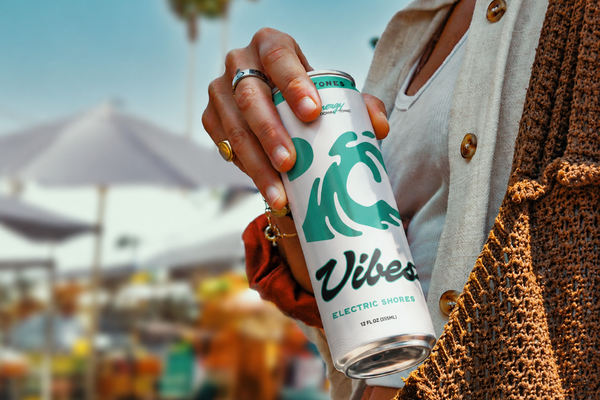
Ketone drinks and electrolyte drinks are not the same, even though both may appear in the sports nutrition or functional beverage category. The main difference between ketone and electrolyte drinks is what they are designed to provide. Ketone drinks generally contain exogenous ketones, commonly in the form of BHB (beta-hydroxybutyrate), which supplies ketones from an external source.
Electrolyte drinks, by comparison, are primarily formulated with minerals such as sodium and potassium, which play important roles in fluid balance and normal body functions.
In simple terms, ketone drinks vs electrolyte drinks can be separated by their main purpose:
-
Ketone drinks provide exogenous ketones
-
Electrolyte drinks support hydration and electrolyte replacement
Ketone Drinks vs Electrolyte Drinks: Quick Comparison
|
Feature |
Ketone Drinks |
Electrolyte Drinks |
|
Primary purpose |
Provide exogenous ketones |
Provide fluids and electrolytes |
|
Common ingredients |
BHB, ketone esters, or ketone salts |
Sodium, potassium, magnesium, and sometimes carbohydrates |
|
Main focus |
Exogenous ketone availability |
Hydration and electrolyte replacement |
|
Hydration role |
Depends on the complete formula |
Usually formulated specifically around hydration |
|
Workout use |
Depends on the goal and product formula |
Often chosen when fluid and electrolyte replacement is needed |
|
Best use case |
When someone specifically wants an exogenous ketone product |
When replacing fluids and electrolytes is the main priority |
|
Can it contain both? |
Yes, some formulas also contain electrolytes |
Yes, some formulas may include additional functional ingredients |
Overall, ketone drinks are primarily formulated to provide exogenous ketones, while electrolyte drinks are more directly focused on hydration and mineral replacement. Some products may combine elements of both, so checking the ingredient list and nutrition facts panel is the best way to understand what a specific drink is designed to provide.
What Are Ketone Drinks?
Ketone drinks are beverages designed to provide exogenous ketones, meaning ketones that come from outside the body rather than being produced internally. One of the most common forms is BHB, short for beta-hydroxybutyrate, a ketone body often used in ketone supplements and functional beverages.
Ketone products can come in several forms, including:
-
BHB salts, where BHB is attached to minerals such as sodium, potassium, calcium, or magnesium
-
Ketone esters, which use a different chemical form of exogenous ketones
-
Ketone powder or ready-to-drink beverages that contain one of these ketone sources
Because BHB salts may be bound to minerals, some ketone drinks can also provide electrolytes. However, that doesn't automatically make every ketone drink an electrolyte drink.
What Are Electrolyte Drinks?
Electrolyte drinks are beverages formulated to provide minerals that help maintain fluid balance and support normal bodily functions. Common electrolytes include sodium, potassium, magnesium, and, in some products, calcium.
These drinks are generally designed for hydration and fluid replacement, especially when the body loses both water and minerals through sweat. For that reason, people commonly use electrolyte drinks during exercise, in hot weather, or in other situations involving increased fluid loss.
Their formulas can vary considerably. Some electrolyte drinks contain:
-
Carbohydrates or added sugar
-
Sugar-free sweeteners
-
Higher amounts of sodium for more substantial electrolyte replacement
-
Smaller amounts of sodium, potassium, magnesium, or calcium for lighter everyday hydration
This hydration-focused purpose is one of the clearest distinctions when comparing ketone and electrolyte beverages. While ketone drinks primarily provide exogenous ketones, electrolyte drinks are formulated to replace fluids and key minerals.
What’s the Difference Between Ketone Drinks and Electrolyte Drinks?
The main difference between ketone and electrolyte drinks is what they are primarily formulated to provide. Ketone drinks supply exogenous ketones, commonly in the form of BHB (beta-hydroxybutyrate), while electrolyte drinks are mainly formulated with minerals such as sodium, potassium, magnesium, and calcium to support hydration and fluid balance.
1. Primary Purpose
Ketone drinks: These beverages are designed to provide exogenous ketones from an external source. Their main purpose is to deliver ketones such as BHB rather than specifically replace minerals lost through sweat.
Electrolyte drinks: These drinks are primarily designed around hydration and electrolyte replacement. They provide minerals that help maintain fluid balance, especially during exercise, hot weather, or other situations involving increased fluid loss.
2. Main Ingredients
Ketone drinks: Common ingredients include BHB salts, ketone esters, or other exogenous ketone sources. Depending on the product, they may also contain flavorings, sweeteners, carbohydrates, caffeine, or added minerals.
Electrolyte drinks: These typically contain sodium and potassium, with some formulas also including magnesium and calcium. Some products contain carbohydrates or sugar, while others are sugar-free.
3. Role of BHB and Minerals
Ketone drinks: BHB is one of the most common ingredients used in exogenous ketone products. In BHB salts, the BHB may be bound to minerals such as sodium, potassium, calcium, or magnesium.
Electrolyte drinks: Minerals are central to the formulation. Sodium is particularly important in many electrolyte drinks because it is one of the main electrolytes lost through sweat.
4. Hydration
Ketone drinks: A water-based ketone drink contributes fluid, but hydration is not necessarily its primary purpose. The amount of sodium, potassium, and other electrolytes can vary considerably between formulas.
Electrolyte drinks: Hydration is usually the main focus. These drinks combine fluids with electrolytes to help replace both water and minerals, making them more purpose-specific when fluid replacement is the priority.
5. Use Around Workouts
Ketone drinks: These may be chosen when someone specifically wants to consume exogenous ketones before or around exercise. Their suitability depends on the individual product and its ingredients.
Electrolyte drinks: These are more directly associated with replacing fluids and minerals during workouts, particularly during prolonged exercise, heavy sweating, or activity in hot conditions.
When comparing ketone drinks vs electrolytes, check the nutrition facts panel and ingredient list rather than relying only on the product name. Look at the amount of BHB, sodium, potassium, other electrolytes, carbohydrates, sugar, and caffeine to understand what the drink is actually formulated to provide.
Ketone Drinks vs Electrolyte Drinks: Which Is Best For Hydration?
If hydration and electrolyte replacement are the primary goals, an electrolyte drink is generally the more purpose-specific option. Water remains the foundation of hydration, while electrolyte beverages add minerals such as sodium and potassium that help replace what may be lost through sweat.
Why Electrolyte Drinks Are More Hydration-Focused
Electrolyte drinks are specifically formulated around fluid and mineral replacement. They are commonly used when sweating increases, such as during:
-
Longer workouts
-
Hot or humid weather
-
Endurance activity
-
Other situations involving increased fluid loss
Sodium is especially important because it is one of the main electrolytes lost in sweat. Potassium, magnesium, and other minerals may also be included depending on the formula.
Where Ketone Drinks Fit In
Ketone drinks can still contribute fluid when they are water-based, but their defining purpose is different. They are primarily formulated to provide exogenous ketones, commonly BHB.
That means a ketone drink should not automatically be considered a hydration drink simply because it comes in liquid form. Some formulas may contain sodium or other minerals, but the amount can vary significantly.
|
Quick Takeaway
Overall, electrolyte drinks are generally the more targeted choice for hydration, while ketone drinks are better defined by their exogenous ketone content. |
Ketone vs Electrolyte Drinks: What To Choose Before or During Workouts
Whether a ketone drink or electrolyte drink makes more sense before or during a workout depends on the goal. Neither is automatically “better” in every situation because they are formulated for different purposes.
When an Electrolyte Drink May Make More Sense
An electrolyte drink may be the more practical option when hydration and mineral replacement are the main priorities. This can be especially relevant during:
-
Longer workouts
-
Heavy sweating
-
Exercise in hot or humid conditions
-
Endurance activities
-
Sessions where fluid and electrolyte losses are higher
These drinks typically provide sodium, potassium, and other electrolytes that may be lost through sweat.
When Someone Might Choose a Ketone Drink
A ketone drink may be considered when the specific goal is to consume exogenous ketones, such as BHB, before or around exercise. This is different from using a beverage primarily for hydration or electrolyte replacement.
A ketone drink may make more sense when:
-
The goal is specifically to consume BHB or other exogenous ketones
-
Hydration needs are already being met through water or another beverage
-
The product fits the individual’s nutrition or workout plan
-
The label clearly shows the amount and types of ketones provided
-
The formula also includes electrolytes that are relevant to the intended use
However, ketone drinks should not automatically replace water or electrolyte beverages during exercise. Some contain sodium, potassium, magnesium, or calcium, while others provide only small amounts.
For workouts, the simplest approach is to match the drink to the goal: electrolytes for fluid and mineral replacement and ketone drinks when exogenous ketone intake is the priority.
Conclusion
Ketone drinks and electrolyte drinks can both fit into workout or everyday nutrition routines, but they serve different primary purposes. Ketone drinks are mainly formulated to provide exogenous ketones such as BHB, while electrolyte drinks focus more directly on hydration and replacing minerals such as sodium and potassium.
The better choice depends on what you actually need:
-
Choose an electrolyte drink when hydration and mineral replacement are the priority.
-
Choose a ketone drink when the goal is specifically to consume exogenous ketones.
-
Consider a product containing both when you want BHB along with electrolytes, but check the label carefully.
-
Compare serving size, sodium, potassium, BHB, carbohydrates, sugar, and other added ingredients before deciding.
Ultimately, neither category is universally better. The most useful option is the one whose formula matches your hydration, workout, or nutrition goal.
FAQs
1. What’s the main difference between ketone and electrolyte drinks?
Ketone drinks primarily provide exogenous ketones, commonly BHB, while electrolyte drinks are formulated mainly to support hydration and mineral replacement with electrolytes such as sodium and potassium.
2. Which is better for hydration?
Electrolyte drinks are generally the more purpose-specific choice for hydration because they provide fluids along with minerals such as sodium and potassium that may be lost through sweat.
3. Can you drink both together?
Yes. Some ketone products already contain electrolytes, especially when BHB is provided as a mineral salt. Check the Nutrition Facts panel and ingredient list to avoid overlooking overlapping sodium, potassium, magnesium, or calcium.
4. Which is better before a workout?
It depends on the goal. An electrolyte drink may make more sense when hydration and mineral replacement are the priority, while a ketone drink may be chosen when the goal is specifically to consume exogenous ketones such as BHB.
Disclaimer: This article is for informational purposes only and is not intended as medical or nutritional advice. Individual needs can vary, so consult a qualified healthcare professional if you have questions about ketone or electrolyte drinks.