Functional Beverages vs Mocktails: What’s The Difference?
In this article

Quick answer:
-
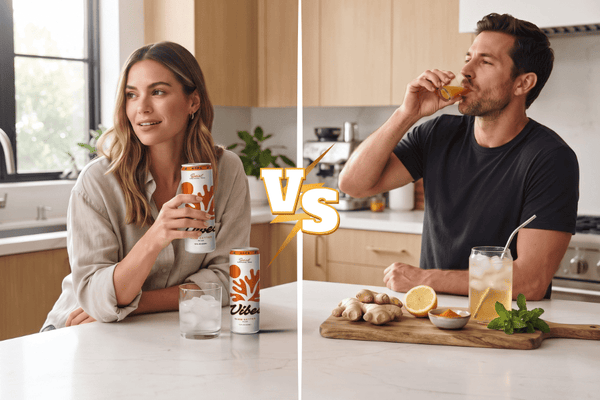
Main purpose: When comparing functional beverages vs mocktails, the biggest difference is their purpose. Functional beverages are formulated around specific ingredients, while mocktails recreate a cocktail's flavor and experience without alcohol.
-
Ingredients: Functional beverages may include botanicals, electrolytes, adaptogens, or other functional compounds. Mocktails typically use juices, herbs, syrups, bitters, sparkling water, and cocktail-style mixers.
-
Health Impact: Mocktails offer basic hydration and lower calorie counts than alcohol, but can still be high in sugar. Functional beverages are formulated to deliver specific physiological outcomes.
-
What they focus on: Functional beverages emphasize what’s in the drink, while mocktails focus more on flavor, presentation, and the drinking experience.
-
How they’re made: Functional beverages can come ready-to-drink or as powders and mixes, while mocktails are generally prepared by combining several ingredients.
There was a time when ordering a drink without alcohol meant saying, “I’ll just have a mocktail.” And, honestly, mocktails had a pretty good run.
There was the classic Virgin Mojito, the ubiquitous Shirley Temple, the fruit punch served in a glass taller than your forearm, and eventually, an explosion of sophisticated zero-proof drinks featuring everything from rosemary and jalapeño to passion fruit and smoked cinnamon.
But somewhere along the way, our relationship with drinks started to change. We stopped asking only, “Does it taste good?”
We started asking: “What does it actually do for me?”
That question has helped turn functional beverages from a niche wellness category into a much broader beverage movement. In the U.S., functional beverages accounted for about 10% of the non-alcoholic beverage market, with sales rising 54% from 2020 to 2024 to reach $9.2 billion.
In this functional beverages vs mocktails guide, we’ll break down what sets the two apart, from their ingredients and purpose to how they’re made and enjoyed.
Functional Drinks vs Mocktails At A Glance
When comparing functional beverages vs mocktails, the biggest difference is intention. Both can be refreshing and alcohol-free, but they’re created with different priorities in mind.
|
Differences |
Functional Beverages |
Traditional Mocktails |
|
Primary focus |
Function + refreshment |
Flavor + experience |
|
Typical ingredients |
Electrolytes, vitamins, minerals, protein, botanicals, and other functional ingredients |
Fruit, herbs, syrups, soda, bitters, and garnishes |
|
Typical occasions |
Everyday routines, workouts, hydration, workdays, and wellness routines |
Dining, parties, celebrations, and social occasions |
|
Alcohol |
Typically alcohol-free |
Alcohol-free |
|
The big question |
“What does this add to my routine?” |
“What sounds delicious?” |
In short, “Are mocktails the same as functional beverages?”:
Not quite.
A traditional mocktail makes the moment feel special, while a functional beverage emphasizes making the drink itself more purposeful. They can overlap, but they’re not the same.
What Is A Functional Beverage?
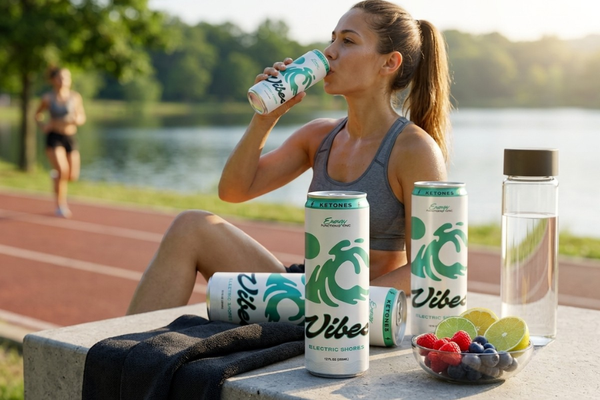
A functional beverage is a non-alcoholic drink formulated with active ingredients—such as adaptogens, electrolytes, or prebiotics—designed to serve a specific nutritional or physical purpose beyond basic hydration.
Instead of focusing purely on taste, functional beverages are built around utility. You are not just picking one up to quench your thirst; you are choosing it to support a specific part of your day, whether that is staying focused at work, rehydrating after a workout, or winding down before bed.
Rather than a single drink type, functional beverages act as an umbrella category for purpose-driven drinks.
Functional beverages cover a much broader range of drinks than traditional energy drinks. For a closer look at how the two categories differ, read our guide to functional drinks vs energy drinks.
Common Functional Formulations
|
Category |
Typical Active Ingredients |
How They Fit Your Routine |
|
Focus & Calm |
Morning work sessions, study blocks, or midday stress relief |
|
|
Gut Support |
Prebiotics, Probiotics, Kombucha cultures |
Daily digestives, meal pairings, or soda alternatives |
|
Hydration |
Electrolytes (Sodium, Potassium, Magnesium), BHB Ketones |
Post-workout recovery, hot days, or daily hydration |
|
Evening Chill |
Magnesium, Tart Cherry, Chamomile |
Nighttime wind-down habits and bedtime rituals |
|
Clean Energy |
Green tea extract, Guayusa, Natural caffeine |
Afternoon pick-me-ups without the sudden coffee crash |
Explore the different types of functional beverages to see how these categories vary by ingredients and intended use.
What Are Mocktails?
A mocktail is a non-alcoholic beverage crafted with juices, syrups, bitters, and botanicals to replicate the complex flavor profiles, tactile mouthfeel, and social experience of a traditional cocktail.
If functional drinks center around utility, mocktails are built around the experience. For years, choosing an alcohol-free option meant settling for extra-sweet sodas or basic fruit punch. Today, craft mocktails—often called zero-proof cocktails—are designed to give you the sophistication of bar culture without alcohol.
The shift toward alcohol-free options extends beyond mocktails, too. Functional beverages vs alcohol is another growing comparison as people explore different ways to approach social drinking without traditional alcoholic drinks.
What Makes A Modern Mocktail Work?
To recreate the depth of a classic cocktail without liquor, zero-proof drinks rely on specific mixology techniques:
|
Element |
Technique & Ingredients |
Distinctive Characteristics |
|
The "Bite" |
Ginger, chili, black pepper, or bittering roots (like gentian) |
Recreates the subtle warm throat-kick of traditional liquor |
|
The Body |
Tea tannins, non-alcoholic botanicals, or artisanal syrups |
Keeps the drink from feeling like thin, watery juice |
|
The Layers |
Balancing bitter, sour, sweet, and herbal notes |
Makes the flavor evolve with every single sip |
|
The Presentation |
Heavy glassware, clear ice, express citrus oils, fresh garnishes |
Keeps you fully included in the bar, restaurant, or party atmosphere |
Functional Mocktails: What Happens When You Combine Both?
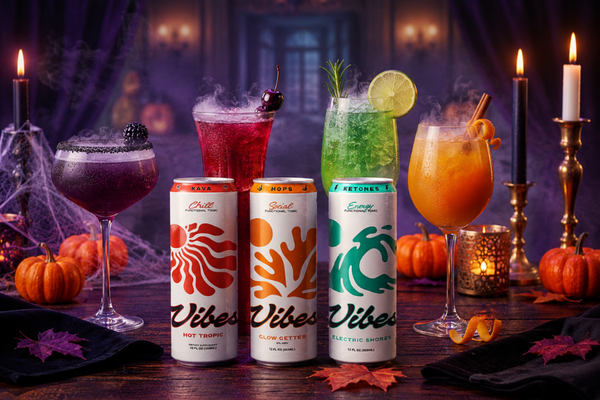
A functional mocktail is a non-alcoholic drink that pairs the active wellness ingredients of a functional beverage with the complex flavor, presentation, and social ritual of a craft cocktail.
You no longer have to choose between a drink that supports your wellness routine and one that feels special to sip. The modern beverage movement is bringing both worlds together in a new option: functional mocktails.
While traditional mocktails rely on high-sugar juices, sodas, and syrups for flavor, a functional mocktail uses a functional beverage—loaded with adaptogens, nootropics, prebiotics, or electrolytes—as its base. Mixologists and home bartenders then elevate it with cocktail-style flourishes like fresh herbs, zero-proof bitters, citrus peels, or sparkling toppers.
Functional Beverages vs Mocktails vs Functional Mocktails: How Do They Compare
|
Feature |
Traditional Mocktail |
Functional Beverage |
Functional Mocktail |
|
Primary Goal |
Great taste & social fun |
Daily body or mind support |
Elevated cocktail flavor + active wellness ingredients |
|
Flavor Profile |
Sweet, fruity, or cocktail-style |
Light, herbal, or fruit-forward |
Complex, layered, and craft cocktail-style |
|
Active Ingredients |
Minimal or none |
High (Electrolytes, adaptogens, prebiotics) |
High (Uses active functional ingredients as the base) |
|
Sugar & Calories |
Often higher (juices & syrups) |
Typically low or zero |
Kept low and balanced |
|
Best Time to Drink |
Parties, dinners, celebrations |
Workday desk, post-workout, daily routines |
Unwinding after work, dinner parties, social gatherings |
Functional beverages can also overlap with familiar drink formats such as sparkling and carbonated beverages. If you're interested in how those categories differ, take a look at our guide to functional beverages vs carbonated drinks.
Finding The Right Drink For Your Moment
The choice between functional beverages and mocktails isn’t about picking a winner—it’s about matching your drink to your goal.
When you want active ingredients to support your daily wellness routine, reach for a functional beverage. When you want the elevated flavor, presentation, and social feel of a craft cocktail without alcohol, order a mocktail. And when you want the best of both worlds, combine them into a functional mocktail that delivers on both flavor and purpose.
As non-alcoholic options continue to evolve, drinking mindfully no longer means settling for plain water or high-sugar sodas. It’s simply about drinking with intention—one glass at a time.
FAQs
What's the difference between functional beverages and mocktails?
The main difference is intent: functional beverages focus on what the active ingredients do for your body, while mocktails focus on flavor, presentation, and the social cocktail experience.
Can a drink be both a mocktail and a functional beverage?
Yes, when a non-alcoholic drink combines active wellness ingredients with craft cocktail flavors and presentation, it is considered a functional mocktail.
Functional drinks vs mocktails: Which option is generally healthier?
Functional beverages are generally healthier because they are typically formulated with low sugar and added nutrients, whereas traditional mocktails often rely on sugary fruit juices, syrups, and sodas.
Are functional beverages always non-alcoholic?
Most functional beverages are non-alcoholic, but the "functional" label simply refers to the addition of active ingredients rather than the complete absence of alcohol. However, most on the market today are zero-proof.
What are some common examples of functional beverages?
Common examples include electrolyte hydration mixes, prebiotic sodas, kombucha, adaptogenic sparklers, protein shakes, and vitamin-fortified waters.
Can you use functional beverages to make mocktails at home?
Yes, pouring a functional beverage over clear ice and adding cocktail flourishes like fresh citrus, herbs, zero-proof bitters, or sparkling water creates an easy functional mocktail.
Disclaimer: This article is for informational purposes only and is not intended as medical or nutritional advice. Functional beverages can contain different ingredients and formulations, so always check the product label and choose products that fit your individual needs.