Functional Beverages vs Alcohol: What Are People Choosing in 2026?
In this article

The short answer is that functional beverages aren't replacing alcohol—but they're definitely changing the way people drink. In 2026, many Americans are choosing functional beverages for some occasions and alcohol for others.
Think about your last happy hour. Someone probably ordered a craft cocktail, someone else grabbed a mocktail, and another friend reached for a botanical sparkling drink or a social tonic. That mix of drinks would've seemed unusual a few years ago. Today, it's becoming the norm.
That's exactly why functional beverages vs alcohol have become such a topic of conversation. It's less about choosing one over the other and more about having the right drink for the right moment. Let's dive into what's driving this shift and what it means for today's beverage choices.
Key Takeaways:
Here's the short version if you're in a hurry:
- 🍹 Functional beverages aren't replacing alcohol—they're giving people more choices for different occasions.
- 🥂 Many Americans now switch between alcohol and functional drinks depending on whether they're at a happy hour, a backyard BBQ, or simply relaxing at home.
- 🌿 Wellness trends, mindful drinking, and the growing sober curious movement are reshaping modern drinking habits in 2026.
- 🍸 Social tonics and premium alcohol-free beverages are becoming more common at restaurants, bars, and social gatherings.
- 👥 Gen Z and Millennials are helping drive demand for functional beverages, but people of all ages are exploring new drink options.
- 📈 The biggest trend isn't functional beverages vs alcohol—it's having more choices than ever before.
Table Of Contents:
- Functional Beverages vs Alcohol: At A Glance
- What Are Functional Beverages?
- Why Are People Choosing Functional Beverages Over Alcohol in 2026?
- How Are Functional Beverages Changing Modern Drinking Habits?
- FAQs
Functional Beverages vs Alcohol: At A Glance
If you're wondering "are people choosing functional drinks over alcohol?", here's the short answer: not exactly. The biggest difference between functional beverages and alcohol comes down to ingredients, alcohol content, and the role they play in social situations.
Think of it this way—you might enjoy a cocktail at a wedding, a beer while watching the big game, or a functional beverage on a weekday when you're just looking for something refreshing. It's all about what fits the moment.
Here's a quick side-by-side comparison to answer your question: “What's the difference between functional beverages and alcohol?”:
|
Feature |
Functional Beverages |
Alcoholic Beverages |
|
Primary Purpose |
Refreshment with functional ingredients like botanicals, adaptogens, mushrooms, vitamins, or electrolytes |
Socializing, celebrations, dining, and recreation |
|
Alcohol Content |
Usually alcohol-free |
Contains alcohol |
|
Common Ingredients |
Botanicals, adaptogens, mushrooms, electrolytes, vitamins, herbs, nootropics |
Fermented grains, grapes, fruits, hops, spirits |
|
Popular Occasions |
Workdays, post-workout, social gatherings, wellness routines, alcohol-free events |
Happy hours, parties, celebrations, restaurants, holidays |
|
Variety |
Sparkling drinks, teas, tonics, ready-to-drink beverages, shots, mixes |
Beer, wine, cocktails, spirits, hard seltzers |
|
Consumer Trend in 2026 |
Rapidly growing as consumers explore more beverage choices |
Continues to be a popular choice across many social occasions |
|
Who Typically Chooses Them? |
Wellness-focused consumers, sober-curious individuals, professionals, fitness enthusiasts, and anyone looking for alcohol-free options |
Consumers who enjoy traditional alcoholic beverages for social, cultural, or recreational occasions |
At first glance, functional drinks vs alcohol might seem like a competition. In reality, both categories serve different occasions and preferences.
So, what exactly makes a beverage "functional" in the first place? Let's take a closer look to understand why these drinks are becoming such a big part of today’s beverage trends.
What Are Functional Beverages?
Functional beverages are drinks made with ingredients that go beyond basic hydration. Unlike traditional sodas or alcoholic drinks, they're designed to offer consumers a wider variety of beverage choices with unique ingredient blends.
Ever wandered through Target or Trader Joe's and spotted drinks you don't remember seeing a few years ago? You're not imagining it.
The beverage aisle has changed fast, and functional beverages are a big reason why.
Common Ingredients Found In Functional Beverages
While every drink is different, many functional beverages include ingredients like
- 🌿 Kava
- ⚡ BHB Ketones
- 🌼 Hops
- 🍄 Mushrooms
- 🌱 Adaptogens
- 💧 Electrolytes
- 🍃 Botanicals
- 💊 Vitamins and herbal extracts
Not every functional beverage looks or feels the same. Some are designed around ingredients such as Kava, hops, ketones, or botanicals, while others focus on distinct beverage experiences. Learn more about the different types of functional beverages and how they compare.
Bottom line: Functional beverages aren't a single type of drink—they're a growing category that's changing what Americans reach for, whether they're out with friends or relaxing at home.
Why Are People Choosing Functional Beverages Over Alcohol in 2026?
More people are choosing functional beverages because they're looking for greater variety, alcohol-free options, and beverages that fit different occasions. Rather than replacing alcohol altogether, many people are simply expanding their choices to match their lifestyle.
This shift didn't happen overnight. Over the past few years, changing consumer preferences, new product innovations, and evolving social habits have all contributed to the growing popularity of functional beverages.
Here are some of the biggest reasons behind the trend:
🌿 Greater focus on ingredients: Many shoppers are paying closer attention to what goes into their beverages and are exploring drinks made with botanicals, Kava, hops, BHB ketones, and other specialty ingredients.
🍹 More alcohol-free choices: Restaurants, bars, and grocery stores now offer a much wider variety of functional beverages than they did just a few years ago.
🤔 Curiosity and innovation: Consumers are increasingly trying new beverage categories. In fact, an IWSR survey found that 20% tried alcohol-adjacent beverages out of curiosity, while 17% were interested in beverages featuring functional ingredients.
🎉 Different drinks for different occasions: A beer might be perfect for a tailgate, while a functional beverage feels like a better fit for a weekday lunch or a road trip.
🛒 Easy to find: Functional beverages have become more accessible, appearing in major retailers like Target, Whole Foods, and neighborhood grocery stores across the U.S.
✨ More choice, not more restrictions: Consumers aren't necessarily choosing between alcohol and functional beverages—they're enjoying the flexibility to have both as options.
So, are functional drinks better than alcohol? Not necessarily—it depends on the person, the occasion, and what they are looking for from their beverage. In 2026, the bigger shift isn't about choosing one over the other—it's about having more options that fit different moments.
How Are Functional Beverages Changing Modern Drinking Habits?
Functional beverages are making alcohol-free choices feel more socially accepted than they were a few years ago. Today, it's becoming completely normal for people to choose different drinks while still sharing the same table.
Not too long ago, if someone skipped alcohol at a party, they often ended up with a soda or sparkling water.
Today?
The options look very different.
Many restaurants, bars, and even backyard gatherings now include functional beverages alongside beer, wine, cocktails, and mocktails. The focus has shifted from "Why aren't you drinking?" to "What would you like to drink?"
Different Moments, Different Drinks
|
Occasion |
Common Choice |
|---|---|
|
Happy Hour |
Cocktail or Social Tonic |
|
Backyard BBQ |
Beer or Functional Beverage |
|
Brunch |
Mimosa or Botanical Drink |
|
Road Trip |
Functional Beverage |
|
Post-Workout |
Functional Beverage |
|
Wedding |
Depends on personal preference |
The biggest change isn't the beverages themselves—it's the expectation that everyone has to make the same choice.
Whether you're hosting friends for a game day, celebrating a birthday, or grabbing dinner after work, it's becoming more common for every guest to have something different in their glass. And that's perfectly normal.
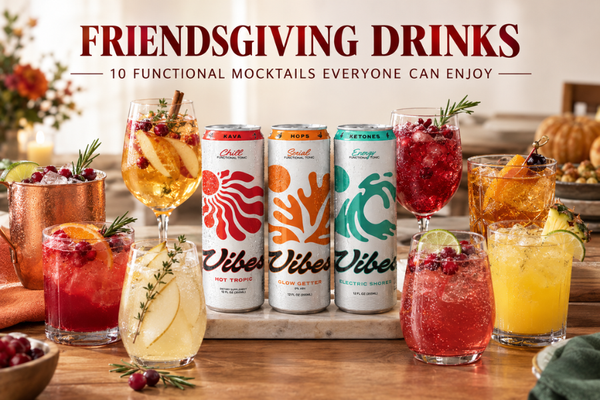
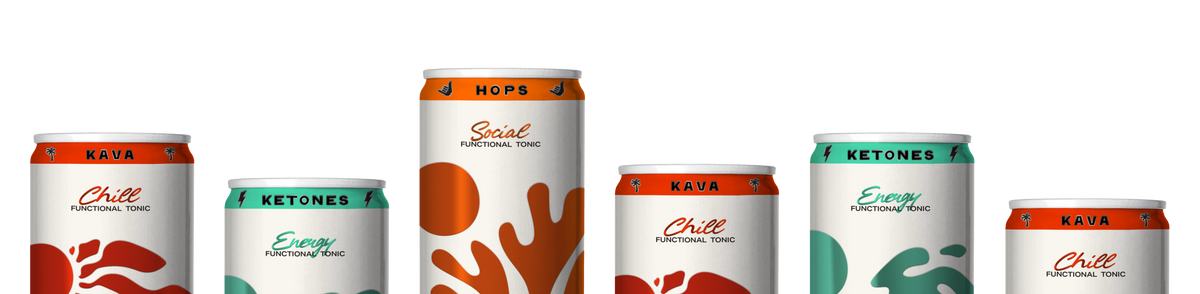
This shift toward more personalized beverage choices is exactly what has helped functional drinks grow. At Drink Vibes, our beverages are created around different moments, from the Kava-based Vibes Chill - Hot Tropic Kava to Vibes Energy - Electric Shores BHB and the hop-inspired Vibes Social - Glow Getter Hops. It’s one example of how today’s beverage landscape is moving beyond a one-size-fits-all approach.
Bottom line: Modern drinking habits are becoming more inclusive. Instead of everyone drinking the same thing, today's gatherings focus on offering options that suit people's preferences.
|
🔥 Functional Beverage Trends to Watch in 2026
Want to explore more about where the category is heading? Learn more about functional beverage market trends and new product innovation in this Taylor & Francis handbook. |
FAQs
What is the difference between functional beverages and alcohol alternatives?
Functional beverages are one type of alcohol alternative, but not every alcohol alternative is a functional beverage. Some focus on recreating traditional drinks, while others include botanicals, adaptogens, electrolytes, and other specialty ingredients.
Will functional beverages replace alcohol?
No, functional beverages are unlikely to completely replace alcohol. Instead, they are expanding the choices available to consumers. Many people are choosing functional beverages for certain occasions while still enjoying traditional alcoholic drinks in other settings.
How are bars and restaurants adapting to the rise of functional beverages?
Bars and restaurants are adding more variety to their menus by offering options like mocktails, social tonics, and botanical beverages as alcohol-free trends continue to grow.
Are functional beverages healthier than alcohol?
Functional beverages and alcoholic drinks are different categories, so they are not a direct one-to-one comparison. Functional beverages are made with ingredients such as botanicals, vitamins, electrolytes, and other functional ingredients, whereas alcoholic beverages contain alcohol. The right choice depends on personal preferences and lifestyle.
What is the difference between functional beverages and mocktails?
Functional beverages are typically made with ingredients intended to provide a unique beverage experience beyond basic refreshment, such as botanicals, adaptogens, or other functional ingredients. Mocktails are alcohol-free versions of traditional cocktails and may or may not contain functional ingredients.
Do functional drinks have the same effects as alcohol?
No. Functional drinks and alcohol are different beverage categories. Functional beverages typically focus on botanicals, vitamins, electrolytes, and other specialty ingredients, while alcoholic drinks contain alcohol.
If you're curious about how functional ingredients are used in these beverages, explore our guide on how functional drinks work.
Are social tonics the same as functional beverages?
Social tonics are a type of functional beverage designed around social occasions. They often feature botanical ingredients and are positioned as alternatives to traditional cocktails, but not every functional beverage is a social tonic.
What are the most popular functional beverage ingredients in 2026?
Popular ingredients appearing in functional beverages include botanicals, kava, hops, mushrooms, adaptogens, electrolytes, vitamins, and BHB ketones. Brands continue experimenting with new ingredient combinations to create different beverage experiences.
Do functional drinks get you 'buzzed' like alcohol?
Functional drinks are not the same as alcoholic beverages and are not designed to provide the same experience as alcohol. They are made with different ingredients and serve different purposes.
Are functional beverages only for people who don't drink alcohol?
No. Functional beverages are not limited to people avoiding alcohol completely. Many consumers enjoy both categories and choose different beverages depending on the occasion, their preferences, or their plans.
Are younger generations driving the growth of functional beverages?
Younger consumers, especially Gen Z and Millennials, are helping shape the growth of functional beverages and mindful drinking trends. Many are exploring alcohol alternatives, new beverage categories, and drinks that fit different lifestyles and social occasions.
However, the interest in functional beverages is not limited to younger generations—people across different age groups are exploring more beverage choices as the category continues to expand.
Are functional beverages just a trend?
While trends come and go, the growth of functional beverages reflects a broader shift toward more personalized beverage choices. The continued expansion of products, retail availability, and consumer interest suggests the category is becoming a bigger part of the beverage market.
Disclaimer:
This article is for informational purposes only and discusses beverage trends, consumer preferences, and industry developments. Always check product labels and ingredient information when choosing beverages that fit your personal preferences.